5 Things to Know About Vintage Plates
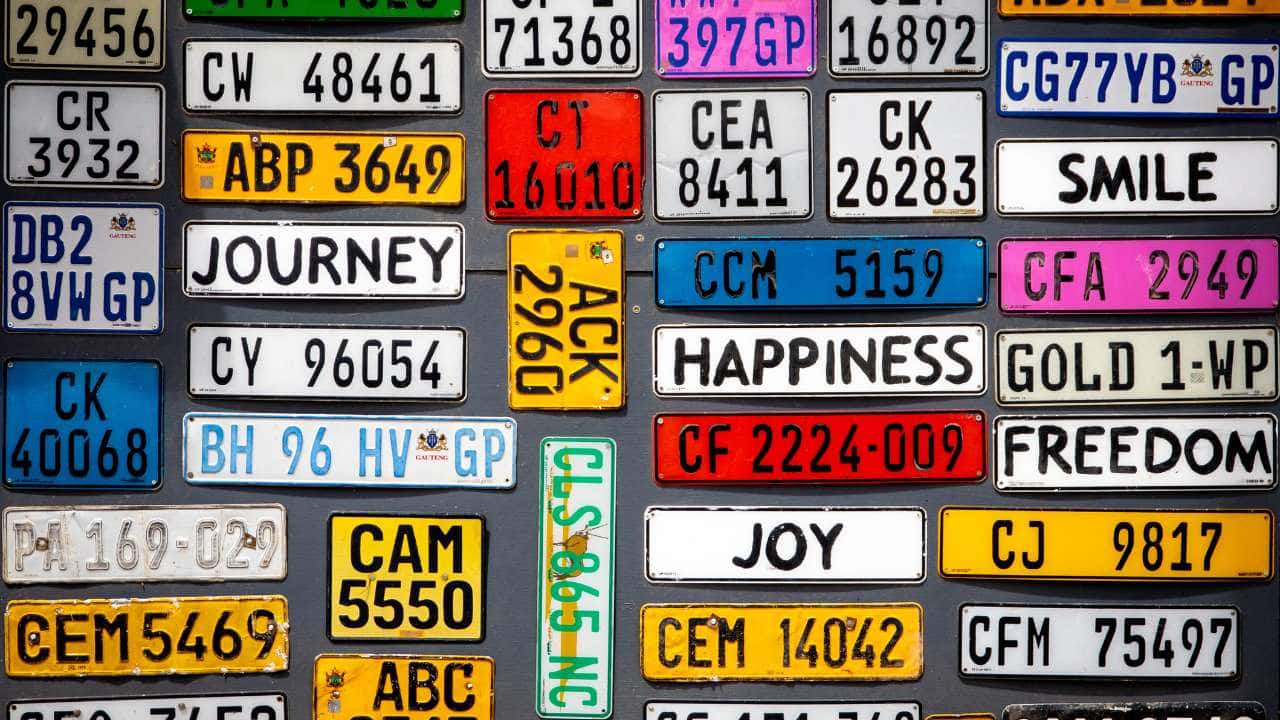
Vintage license plates, those weathered metal rectangles that once adorned vehicles across decades, carry stories of automotive history, regional identity, and cultural evolution. For collectors, historians, and hobbyists, these artifacts offer a tangible connection to the past. Understanding their significance requires exploring their historical context, legal considerations, collectible value, practical uses, and preservation challenges. This article provides a comprehensive look at five key aspects of vintage license plates to inform enthusiasts and newcomers alike.
A specialist with expertise in vintage aesthetics at notes here that license plates for sale can enhance themed decor, particularly in spaces aiming for a nostalgic or industrial vibe. Incorporating vintage plates into displays, such as garden sheds or rustic interiors, adds character and authenticity, provided they are sourced from reputable dealers. This insight underscores the plates’ versatility beyond traditional collecting, highlighting their appeal in creative applications.
The Historical Significance of Vintage License Plates
License plates emerged in the late 19th and early 20th centuries as governments sought to regulate the growing number of automobiles. In the United States, the first plates appeared in 1901 in New York, initially requiring owners to craft their own before standardized designs were issued. Early plates were often made of leather, wood, or porcelain, reflecting the materials and manufacturing limitations of the era. By the 1910s, metal plates became standard, with states adopting unique colors, fonts, and slogans to distinguish their registrations.
The evolution of license plates mirrors broader societal changes. For instance, during World War II, metal shortages led some states to issue plates made of fiberboard or soybean-based materials. Plates from this period are rare and highly sought after due to their fragility and historical context. Similarly, the introduction of reflective coatings in the 1960s and graphic designs in the 1980s marked technological advancements and shifts in aesthetic preferences. Each plate encapsulates a moment in time, from the bold typography of the 1920s to the colorful state pride slogans of the 1970s.
For collectors, the historical value lies in the details. Plates from territories before they achieved statehood, known as pre-state plates, are particularly prized for their rarity. For example, plates from Alaska or Hawaii before 1959 command high interest due to their limited production. Understanding the historical context of a plate, such as its material, design, or issuance period, enhances its appeal and informs its authenticity when browsing license plates for sale.
Legal Considerations for Using and Collecting Vintage Plates
The use of vintage license plates on vehicles is governed by strict regulations that vary by state and country. In the United States, many states allow Year of Manufacture (YOM) plates, which permit owners of classic vehicles to register them with plates from the vehicle’s production year. For example, in California, a car manufactured in 1965 can be registered with a 1965 California plate, provided it meets specific criteria, such as being in good condition and having a verifiable number. South Carolina requires vehicles to be at least 30 years old for YOM plates, while New York sets the threshold at 25 years.
However, restrictions apply. Vehicles with vintage plates are often limited to non-commercial use, such as exhibitions, car shows, or occasional leisure drives. In Virginia, for instance, antique-plated vehicles cannot be used for daily transportation, and some states impose mileage caps, like Nevada’s 5,000-mile annual limit. Owners must also secure special insurance, often labeled as “historical” coverage, to comply with registration requirements. Failure to adhere to these rules can result in fines or plate confiscation.
Collecting vintage plates for display or investment is generally unrestricted, but legal nuances exist. Some states require that unused plates be surrendered to the Department of Motor Vehicles (DMV), making it illegal to sell or possess certain modern plates. Collectors must ensure that plates purchased from sources offering license plates for sale are expired and government-issued to avoid legal issues. Verifying a plate’s authenticity, especially for older or rare designs, is critical, as reproductions are common and may not hold the same value or legal status.
The Collectible Value of Vintage License Plates
The market for vintage license plates is vibrant, with values ranging from a few dollars to hundreds of thousands, depending on rarity, condition, and demand. Plates from the early 20th century, particularly those from low-population states or territories, can fetch high prices due to limited issuance. For example, a 1910s Alaska plate in excellent condition may sell for thousands, while a common 1980s plate might be worth less than $10. Condition is paramount; plates with minimal rust, fading, or dents are more desirable, as collectors prioritize original paint and legibility.
Specialty plates, such as those issued for military vehicles, government officials, or commemorative events, often command premium prices. Low or distinctive serial numbers, like single-digit plates or those with repeating characters, also increase value. The demand for Year of Manufacture plates has grown, as classic car owners seek authentic period pieces to enhance their vehicles’ historical accuracy. A 1920s plate matching a restored Model T, for instance, can significantly elevate the car’s presentation at shows.
The supply of vintage plates is influenced by several factors, including the number of vehicles registered in a given year, whether a state issued single plates or pairs, and the durability of materials used. Plates from jurisdictions that required surrendering old plates, like some Canadian provinces, are scarcer. Collectors can find license plates for sale through online marketplaces, auctions, or specialized dealers, but they must research market trends to avoid overpaying. Websites like ShopLicensePlates.com provide extensive inventories, often detailing condition and provenance to guide informed purchases.
Practical Uses Beyond Collecting
Vintage license plates extend beyond collecting into practical and creative applications. Their durability and distinct aesthetic make them popular for home decor, particularly in automotive-themed spaces like garages, man caves, or bars. A single plate can be hung as a standalone piece, evoking nostalgia, or multiple plates can be arranged to spell out words or cover walls for a rustic effect. For example, cutting and combining plates to form a name or phrase adds a personalized touch to a space.
In gardening and landscaping, vintage plates can be repurposed creatively. A nursery specialist might suggest bending a plate around a wooden base to create a unique planter, with drainage holes drilled for functionality. Such projects transform plates into conversation pieces, blending industrial charm with natural elements. Plates can also be fashioned into pencil holders, birdhouses, or mailbox covers, offering practical uses that preserve their vintage appeal.
For classic car enthusiasts, using YOM plates enhances a vehicle’s authenticity. A 1950s Chevrolet with a matching plate from its production year creates a cohesive historical presentation. However, owners must ensure compliance with state DMV regulations, as discussed earlier. Beyond vehicles, plates are used in art installations, movie props, or restaurant decor, where their weathered patina adds character. When sourcing materials for such projects, collectors and creators often turn to trusted vendors offering license plates for sale to ensure authenticity and quality.
Preservation and Care Challenges
Maintaining vintage license plates requires careful consideration to preserve their condition and value. Older plates, particularly those from the 1910s to 1930s, are prone to rust, fading, and chipping due to their steel construction and exposure to the elements. Porcelain plates from the early 20th century are especially fragile, as their enamel coating can crack under stress. Proper storage is essential; plates should be kept in a dry, temperature-controlled environment to prevent corrosion. Wrapping each plate in acid-free tissue or storing them in archival sleeves minimizes scratches and oxidation.
Cleaning vintage plates demands caution. Harsh chemicals or abrasive tools can strip original paint, significantly reducing value. Collectors recommend using mild soap and water with a soft cloth to remove dirt, followed by thorough drying to prevent moisture damage. For plates with significant rust, professional restoration may be necessary, though collectors debate the merits of restored versus original finishes. Repainted plates often lose value unless done by a professional who matches the original colors and techniques precisely.
When acquiring plates, collectors must be wary of reproductions. Modern replicas, while visually similar, lack the historical significance and value of authentic plates. Checking for signs of age, such as embossed numbers, original mounting holes, or period-specific materials, helps verify authenticity. Reputable sources offering license plates for sale often provide detailed descriptions and photos to confirm a plate’s condition and origin, reducing the risk of purchasing fakes.
Navigating the Market for Vintage Plates
The market for vintage license plates is accessible but requires discernment. Online platforms, such as eBay or specialized sites like ShopLicensePlates.com, offer vast selections, with inventories ranging from common plates to rare finds. Prices vary based on condition, rarity, and demand, so collectors should compare listings and check customer reviews to ensure reliability. For instance, a dealer with over 30,000 plates in stock can cater to diverse needs, from state-specific collections to YOM plates for classic cars.
Auctions, car shows, and flea markets are additional venues for finding unique plates. Regional car shows often attract collectors who trade or sell plates, providing opportunities to discover rare items. However, buyers must verify a plate’s authenticity and condition in person, as photos can be misleading. Joining collector communities, such as the Automobile License Plate Collectors Association (ALPCA), offers access to meets and resources for sourcing plates and learning from experienced hobbyists.
When purchasing, collectors should consider their goals. Some focus on completing sets from all 50 U.S. states, while others seek plates from a specific decade or type, like motorcycle or military plates. Budgeting is key, as prices can escalate for rare items. A 1970s plate in good condition might cost $10-$20, while a 1910s territorial plate could exceed $1,000. Researching market trends and plate histories ensures informed decisions when exploring license plates for sale.
The Cultural Appeal of Vintage Plates
Vintage license plates resonate culturally because they encapsulate regional and historical identities. A 1950s California plate with its iconic black-and-yellow design evokes the era’s car culture, while a 1976 Bicentennial plate celebrates a national milestone. Collectors often feel a personal connection to plates from their home state or significant years, such as their birth year or a family member’s vehicle ownership.
Globally, plates offer similar appeal. European plates, with their compact designs and country codes, reflect diverse automotive traditions, while Australian plates showcase regional pride through unique colors and slogans. Collecting international plates adds complexity, as availability and shipping costs vary, but it enriches a collection’s diversity. The universal appeal lies in the plates’ ability to tell stories, whether of a state’s history, a vehicle’s journey, or a collector’s passion.
Conclusion
Vintage license plates are more than metal relics; they are historical artifacts, cultural symbols, and versatile decor pieces. Their significance spans their historical roots, legal complexities, collectible value, practical applications, and preservation needs. Whether used to authenticate a classic car, decorate a space, or build a collection, these plates offer a unique lens into the past. By understanding these five key aspects, enthusiasts can approach collecting and using vintage plates with confidence, ensuring their investments and projects reflect both historical accuracy and personal style.