5 Clues Your Soil Suits Fruit
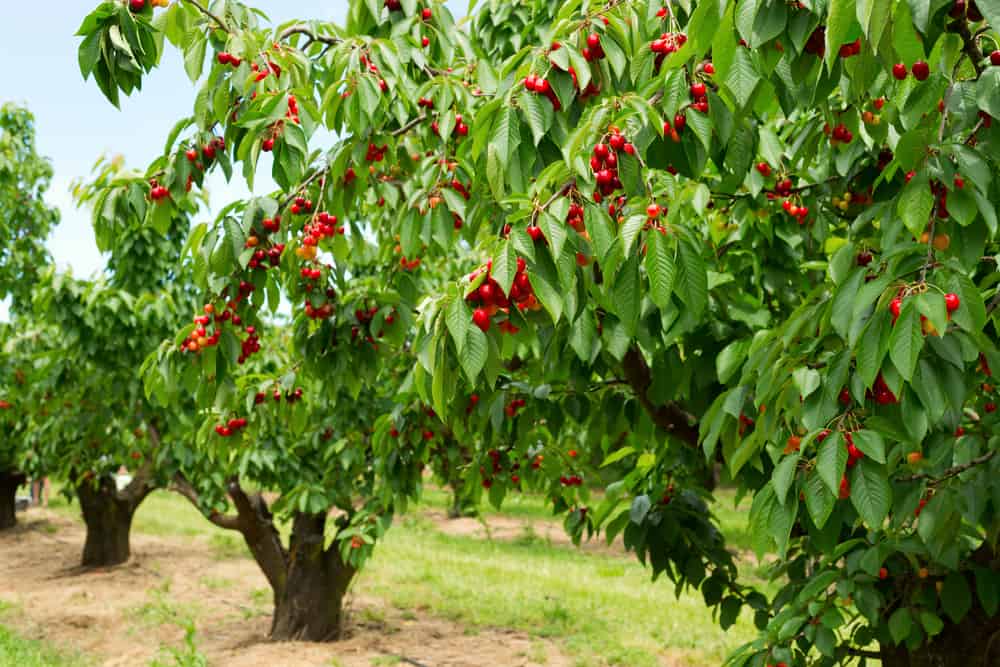
Good soil makes growing fruit straightforward and satisfying. Before you commit time and money to planting, a few simple checks will tell you whether your ground is already fit for purpose or what tweaks it needs. Understanding these clues helps you choose suitable species, match the right rootstock to your site, and decide whether to plant directly in the ground or to use raised beds and containers. It also stops you guessing at problems later. If you are planning to buy fruit trees this season, take half an hour to run through the tests below and note what you find; you will make better choices and see stronger growth from year one.
As a specialist from CRJ FruitTrees advises, for most British gardens, the decisive point is drainage. Fruit roots need air as much as water, and the combination of a well-prepared planting hole, organic matter, and the right rootstock is what keeps trees productive. Where soil is shallow, heavy, or stony, choose naturally vigorous rootstocks for resilience; where soil is deep and friable, dwarfing or semi-dwarfing rootstocks give you compact trees with earlier yields. If you are confident about your ground and want a reliable, versatile choice, consider apple trees as a first planting, then add complementary pollinators over time.
Why soil suitability matters more than enthusiasm
Fruit trees invest heavily in their root systems before giving you much in the way of crops. Apples, pears, plums and cherries will all tolerate a range of conditions, but they respond quickly to the basics being right: reliable drainage, a workable texture, a friendly pH, decent organic matter and lively soil biology. Get those five in the green and you reduce establishment failures, avoid costly replanting and enjoy sturdier trees that carry fruit without constant rescue work. Conversely, soil that stays saturated, compacts easily or sits at an extreme pH will hold your trees back no matter how carefully you plant.
The goal of the checks below is not to label your ground as good or bad; it is to pinpoint where it sits on a spectrum and what practical steps will move it along. Many gardens contain a patchwork of soils within a few metres, particularly in new estates where the topsoil has been disturbed. Test in more than one spot and use the results to match species and rootstocks to each position. A south-facing, well-drained bed might suit apricot on a sheltered wall, while a heavier, lower area may be better for a vigorous plum rootstock or blackcurrant.
Clue 1: Your soil drains freely but doesn’t parch
Drainage is the single most important factor for tree health because roots need oxygen. A quick infiltration test is more revealing than any gadget. With a spade, dig a straight-sided hole about 30 cm wide and 30 cm deep in the area you plan to plant. Fill it to the brim with water and let it fully drain. Refill immediately and time how long the water level takes to drop. Ideally, it should fall at roughly 1–5 cm per hour. Faster than that and the soil is sandy or very stony and may not hold enough moisture or nutrients. Slower than that points to compaction or a high clay content that risks winter waterlogging and root problems.
If your reading is sluggish, do not assume you cannot grow fruit. Focus on structure. Work in well-rotted compost across the planting bed, not just the hole, and avoid smearing the sides of the planting pit which can create a ‘pot’ that holds water. Consider creating a shallow raised bed, 15–30 cm high, which is often enough to lift roots out of the wettest zone. If water disappears almost as soon as you pour it in, plan for richer soil preparation and mulching from day one, and consider species and rootstocks that prefer it on the dry side, such as almonds in very sheltered southern sites, or choose apple and pear on slightly more vigorous rootstocks that root deeper to find moisture.
Wind exposure affects hydration too. Even in free-draining soil, a bleak, windy position can desiccate buds and young leaves. A simple windbreak of mesh or a temporary fence for the first season often makes the difference, especially with peaches and nectarines in colder regions. It is worth checking how the site behaves in the wettest weeks of winter as well as in a summer dry spell. Fruit trees cope with short bursts of either, but extremes at planting time slow establishment.
Clue 2: Your soil texture holds shape without turning to putty
Texture is the blend of sand, silt and clay and it dictates both drainability and nutrient storage. You can assess it with the classic ‘jar test’ and the ‘ribbon test’. For the jar test, fill a straight-sided jar halfway with a soil sample, add water and a teaspoon of washing-up liquid, shake vigorously and let it settle. After a few hours you will see distinct layers. Sand drops first, then silt, then clay. A rough third of each suggests a loam, the most forgiving base for fruit trees. For the ribbon test, squeeze a moistened soil ball between finger and thumb into a ribbon. If it forms a long, smooth ribbon that bends without breaking, clay is dominant. If it crumbles and will not hold together, it is sandy.
Apples and pears are content in most textures provided drainage is adequate. Plums and gages appreciate a loam with reasonable moisture retention. Cherries resent heavy clay at planting unless you plant higher and improve the structure thoroughly first. On extremes, adapt the plan rather than fight physics. On heavy clay, never plant into a slick, wet hole; wait until the ground is workable, plant slightly proud of the surface and mulch generously. On very sandy soils, deepen the topsoil by incorporating bulky organic matter across a wide area and use mulch to conserve moisture. Rootstocks give you a further lever. Apples on M26 or MM106 have more push where the ground is average to good; M9 and M27 are best kept for deep, fertile beds or large containers.
Texture shifts with depth, so examine the spadefuls you remove when digging a planting hole. A dark, crumbly topsoil fading to a lighter subsoil is normal. An abrupt change to dense, orange clay or builder’s rubble needs attention. Where the topsoil layer is thin, and you hit a compacted layer, break it up with a fork, then replace the excavated soil mixed with compost so roots can bridge the transition rather than circling in the improved pocket.
Clue 3: Your pH sits in the friendly middle
Most fruit trees thrive in soil that is slightly acidic to neutral, broadly pH 6.0 to 7.0. Testing is simple and inexpensive with a kit or probe. Take samples from more than one spot and mix them for a composite reading, then test problem areas separately. If your pH sits in the friendly middle, you are set. If it is distinctly acidic, under 5.5, growth of apples and pears may be hungry and stunted. Apply ground limestone in autumn or winter and retest after a few months. If it is alkaline, above 7.5, iron and manganese become less available and leaves may yellow. In that case, you can still grow fruit, but lean towards tolerant species and use organic mulches that gently acidify over time.
Soft fruit such as blueberries and cranberries are special cases; they want a distinctly acid soil, roughly pH 4.5 to 5.5. If your garden sits on lime, do not try to bend the entire bed to suit them. Grow them in containers with ericaceous compost and rainwater. Conversely, figs are tolerant of higher pH and can be excellent on chalk provided drainage is good. Apples are adaptable but will show trace element problems on very high pH; in those cases, regular compost mulching and occasional foliar feeds through the establishment phase will stabilise growth while soil biology catches up.
Raising or lowering pH is a gradual process, and chasing exact numbers is unnecessary. Work with ranges and look out for symptoms rather than fixating on digits. Leaves that yellow between green veins on new growth signal an iron lock-up typical of alkaline soils. Purplish tints and slow growth, especially in spring, can point to phosphorus issues in very acid soils. In both cases, soil improvement and mulching tend to do more good than heavy fertiliser use.
Clue 4: Your soil carries organic matter you can see and smell
Organic matter acts like a sponge for moisture and nutrients, feeds soil life and improves both airy sands and sticky clays. You can sense its presence without a lab test. Soil rich in humus is darker, smells earthy rather than sour or stagnant, and crumbles between your fingers instead of smearing. Turning the top 10–15 cm with a fork should reveal some old leaf fragments or the remains of previous mulches. If the topsoil is a pale, uniform colour with few crumbs and it powders or clods, boost organic matter before planting. Work in well-rotted compost or garden-made leafmould a few weeks ahead of planting so it knits into the structure. For new beds, aim to add the equivalent of a 5–8 cm layer forked into the top spit across the whole area, not just the planting hole.
Mulch is your long-term friend. After planting, spread a 5–7 cm blanket of woodchip, composted bark or homemade compost over a circle at least a metre wide, keeping it off the trunk. This holds moisture, suppresses weeds and feeds the surface roots that do most of the foraging. Top up annually. In light soils the effect is better water holding; in heavy soils it is improved aggregation and less cracking. Both mean steadier growth and fewer fruitlet drops in early summer.
Avoid burying fresh woodchips in the planting hole, as they can tie up nitrogen while decaying. Use them on the surface where their slow breakdown helps build a living, moisture-retentive skin that suits shallow feeder roots. If you keep hens, sweepings from the run make a fine addition to a compost heap for future mulch, but avoid fresh manure around new roots.
Clue 5: Your soil is alive, not sterile
A living soil contains visible creatures and subtle activity. Dig a small square and count how many worms you find in the top 20 cm. Three to five in a spadeful is decent; more is a sign of a functioning food web and usually of good structure. Look for other signs too: white fungal threads in decaying mulch, a few beetles and springtails under stones, and crumbly aggregates that hold together lightly. The absence of life suggests over-cultivation, pesticide residues or a long spell under impermeable sheeting.
You can improve biology by feeding it. Regular mulches of compost and leafmould are better than sporadic surges of fertiliser. Avoid turning the soil more than you need to, especially in winter. Leave the area under fruit trees as a weed-free ring or under-plant with shallow-rooted herbs and pollinator-friendly flowers rather than laying turf right up to the trunk. Mown grass competes fiercely for water and nitrogen; keeping a clear ring the width of the canopy pays off in growth and fruit set.
If your garden was recently built or renovated, topsoil may be thin or imported. In that case, building biology is a two- or three-year project. Apply mulch, avoid compaction, water thoroughly but not constantly in dry spells, and let roots and fungi stitch the structure together. You will often see a marked change in the way the surface behaves after two winters and two growing seasons.
Matching fruit and rootstock to what you find
Once you understand your soil, use it to refine your planting list. On deep, well-drained loams with decent organic matter, most fruit trees will do well, and you can select dwarfing or semi-dwarfing rootstocks for manageable size and earlier cropping. Apple on M9 will stay compact with adequate staking and feeding; M26 gives a little extra strength for average soils while remaining garden-friendly. MM106 and similar vigorous rootstocks suit those who want a small orchard or have thinner topsoil over free-draining subsoil.
On heavier clay that you can work without smearing in spring, apples and pears on semi-vigorous rootstocks establish well if planted on a slight mound and mulched. Plums prefer not to sit damp in winter, so they respond to raised beds or a spot with a gentle slope. Cherries, particularly on dwarfing stocks, are happiest in lighter soils and raised positions; if your ground is heavy, choose a sunnier, freer-draining bed or plant in a large container.
For alkaline soils, figs and some cherries are comfortable, while apples are fine with regular mulching. For very acid soils, blueberries and cranberries are easy wins in containers of ericaceous compost and give a satisfying harvest in small spaces. Most other top-fruit is tolerant if pH is moderated and organic matter is kept up.
Quick home tests that guide decisions
Beyond the infiltration and ribbon tests, a couple of simple checks sharpen the picture. Press a garden fork into the ground and rock it; if the tines barely penetrate, compaction is an issue and the soil needs time and organic matter. Push a 30 cm bamboo cane into moist soil; depth of penetration tells you how resistant the profile is. Scoop a handful of moistened soil and squeeze; on release, it should crack and crumble. If it remains a slick, sticky lump, delay planting until the weather gives you a better window.
Take a trowel around after rain and watch for puddles that linger. If water sits for more than a day in winter, move fruit trees to a higher or better-drained bed, and use the wet spot for willows, dogwoods or a wildlife area rather than fighting it. Soil that sheds water immediately in summer but crusts and cracks points to low organic matter; mulch and watering technique will solve more than fertiliser ever will.
How to improve borderline soils before you plant
On heavy ground, the best strategy is to lift the planting zone rather than dig deeper. Form a broad mound, wider than it is high, using your existing topsoil blended with well-rotted compost. Plant so that the root flare sits slightly above the original surface level. Water to settle, then mulch. This keeps roots aerated through winter and allows them to grow down into the native soil as structure improves. On light soils, prioritise depth. Add generous organic matter across the bed and mulch immediately after planting to conserve moisture. In all cases, avoid backfilling with bought compost alone; roots will remain in the comfortable bubble and fail to explore, leaving the tree unstable and dependent on you.
Do not forget staking and anchoring. Dwarfing rootstocks such as M9 need a permanent stake, especially in exposed sites and lighter soils. A single robust stake driven at 45 degrees on the windward side, tied low to allow the trunk to flex, is usually sufficient. In very light soils a pair of opposed stakes and a cross-tie give better security.
Feeding is secondary to soil condition. A modest base dressing of a balanced granular fertiliser at planting, scratched into the backfill and watered, is ample. Over-feeding young trees pushes lush, sappy growth susceptible to pests and can delay fruiting. The steady, season-long release from decomposing mulch is more valuable and improves soil life at the same time.
Container and raised-bed options where ground is against you
If your checks reveal intractable problems, containers and raised beds keep you in the game. Half-barrels or large planters, at least 45–60 cm in diameter for dwarf apples and pears, filled with a high-quality peat-free mix and gritty material for drainage, will support productive trees. Watering needs are more regular than in the ground, and feeding should be little and often, but the control over pH, structure and moisture makes success predictable. Peaches, nectarines and apricots often fruit better in a large container against a warm wall in cooler parts of the UK, where blossom can be sheltered from late frosts.
Raised beds 30–45 cm high filled with a loamy, compost-rich blend are ideal for strawberries, currants and gooseberries where soil beneath is poor. In very wet gardens, lay a coarse stone layer under the bed to speed drainage, then top with your growing medium. In dry eastern regions, drip irrigation under mulch uses water efficiently and reduces leaf wetness that can encourage disease.
Planting windows and first-year priorities
In the UK, bare-root planting runs from late autumn through winter while trees are dormant, provided the soil is workable and not frozen or waterlogged. Container-grown trees can go in at almost any time, but spring and early autumn are easiest for aftercare. Your first year is about roots, not fruit. Remove blossom on very young trees so energy goes into establishment. Keep a clean, mulched circle around the trunk and water thoroughly but infrequently in dry spells, aiming for a deep soak every week or two rather than a daily sprinkle. Check ties and stakes after strong winds.
Pruning depends on species and training form. Apples and pears on bush forms benefit from a formative winter prune to create an open, balanced framework. Stone fruit such as plums and cherries are best pruned in summer to reduce the risk of disease. Espalier and cordon forms are excellent for smaller spaces with good soil because they maximise light and airflow, but they demand regular, light training from the start.
Choosing what to plant once your soil says “yes”
With the groundwork done, you can choose with confidence. Apples are the most adaptable and varied, offering dessert, cooking and dual-purpose types to suit every palate. Pears reward patience with flavour and elegance, but they prefer a warm, sheltered spot. Plums and gages offer generous crops in good years and cope with a range of soils if not planted wet. Cherries yield best in light, well-drained soils and love sun. If you want the earliest return, dwarfing apples and patio pears bear quickly; if you want longevity and resilience, step up a rootstock or two where soil is modest.
Pollination matters in most apples and pears. Plant compatible varieties within similar flowering groups or rely on a neighbour’s tree if you have one. Many cherries and some plums are self-fertile, which helps in tight spaces. In urban areas, bees and hoverflies will usually find your trees, but diversity in the rest of the garden helps. Herbs such as thyme and chives, annual flowers and a relaxed mowing regime in spring encourage beneficial insects that support fruit set and keep pests in check.
When you are ready to buy fruit trees after assessing the clues, match the variety’s vigour to your soil notes. If your infiltration test was slow and you are planting on a modest mound, lean towards a slightly more vigorous stock. If your soil proved deep and crumby with a friendly pH, you can confidently select compact forms that keep pruning and ladders to a minimum. Most reputable nurseries list the rootstock for each tree and often give notes on soil preference; this is the key information that turns your observations into a good purchase.
Common myths to ignore
A few persistent myths hold back new growers. The first is that heavy clay cannot grow fruit. In reality, once structure is improved and water can move through the top spit, clay soils often become the most fertile and drought-resilient. The second is that you must add gravel to the bottom of a planting hole for drainage. This creates a perched water table and can make matters worse; improve soil across the bed instead and plant slightly high if needed. The third is that fertiliser fixes poor soil. It does not. Structure, organic matter and water management do. Fertiliser is a seasoning, not the main course.
Another misconception is that you should always dig a deep hole. Depth is not the aim; width and a good interface with the surrounding soil are. Roots mostly occupy the top 30–40 cm where oxygen and nutrients are richest. A broad, shallow improvement and a protective mulch are more beneficial than a deep pit that risks water pooling.
A simple plan for the next four weekends
If you want a practical sequence, take four short sessions. First, run the infiltration test and the ribbon test in two or three spots and jot down the results. Second, buy a pH kit and test a composite sample; if adjustment is needed, apply lime or sulphur accordingly following packet guidance. Third, incorporate compost across the planting bed when the soil is workable, avoiding smearing and compaction, then form any shallow mounds or raised edges you plan to use. Fourth, set the position of each tree with an eye to wind, sun and access, drive stakes where needed, and lay mulch ready for planting. By the end of this modest routine, you will have converted guesswork into a clear, site-specific plan.
The bottom line
Soil that drains steadily, holds together without smearing, sits at a friendly pH, contains visible organic matter and harbours life will support healthy, productive fruit trees. If one of those clues is missing, you still have options; thoughtful preparation, raised planting and smart rootstock choices close most gaps. Keep records of what you observe and how the site behaves through the seasons. Fruit growing is a long game, but the first moves are simple and decisive. With a few spadefuls of testing and a couple of barrows of compost, you create the conditions in which trees look after themselves, and the crop follows as surely as the seasons.