Six Space-Saving Daylilies Perfect for Pots and Courtyards
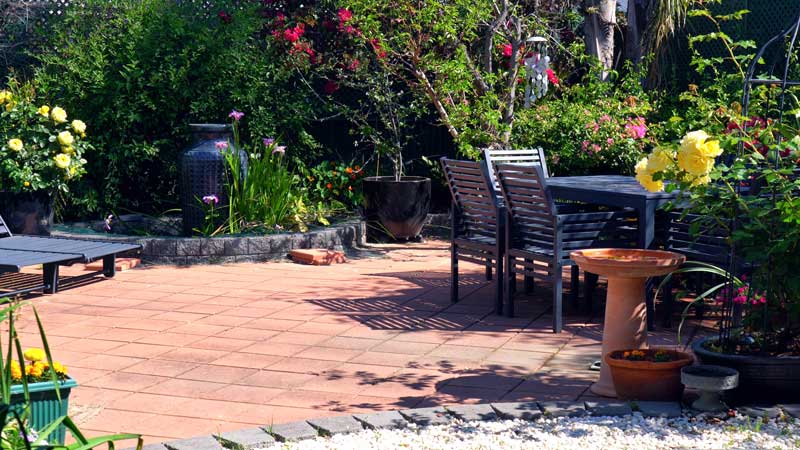
While fruit trees such as dwarf apples or trained espaliers often take centre stage, underplanting and container displays are just as important for creating depth and seasonal interest. Daylilies, long valued in larger borders, are now gaining recognition as practical, compact performers for pots and confined spaces.
A leading British specialist at SwallowtailDaylilies advises that container success begins with selecting cultivars bred for manageable height and strong rebloom. As noted by the nursery, “Compact, repeat-flowering varieties are ideal for patio cultivation, provided they are planted in deep, free-draining compost and fed regularly. Our collection of Daylilies highlights cultivars specifically suited to smaller spaces, where reliable performance matters as much as flower form.” This guidance reflects a broader shift in gardening practice: prioritising plant structure and resilience over sheer size.
For gardeners browsing Daylily plants for sale, the key consideration is not only flower colour but growth habit. Modern breeding has produced many shorter, clump-forming cultivars that suit containers exceptionally well. Their arching foliage softens paving and brickwork, while their long flowering period bridges the gap between late spring bulbs and high summer perennials. Properly chosen varieties thrive in pots, require minimal maintenance and cope well with the varied conditions typical of courtyard gardens.
The following six daylilies demonstrate how well-chosen varieties can transform a paved courtyard or balcony garden without overwhelming it.
Choosing Daylilies for Confined Spaces
Daylilies belong to the genus Hemerocallis and are often associated with expansive herbaceous borders. However, the genus contains a wide range of sizes, from tall, statuesque types reaching over a metre in height to neat dwarfs under 45 centimetres. For pots and courtyards, the latter are far more practical.
Container cultivation imposes specific constraints. Root systems are restricted, moisture levels fluctuate more quickly than in open ground, and nutrient reserves deplete faster. Therefore, compact daylilies with fibrous, moderately vigorous roots perform best. They establish quickly but do not become congested within a single season. A pot at least 30 centimetres deep and wide is recommended, allowing space for root development and moisture retention.
Another advantage of daylilies is their tolerance of varied light conditions. While they flower most freely in full sun, many modern cultivars cope well with partial shade, making them suitable for north-facing courtyards or gardens overshadowed by walls and neighbouring buildings. This flexibility mirrors that of some patio fruit trees, where light management determines cropping success.
Foliage type also influences suitability. Dormant varieties die back in winter, simplifying seasonal tidying and allowing pots to be refreshed or repositioned. Semi-evergreen and evergreen types retain foliage longer, offering structure but requiring slightly more winter care in colder regions. In much of England and Wales, evergreen types are reliable if containers are raised slightly to ensure good drainage.
Colour choice plays a practical role in confined spaces. Strong oranges and reds can appear overpowering against brick or stone, while softer pastels, creams and bicolours often create a calmer effect. In small courtyards, where viewing distances are short, subtle markings and throat colours are more noticeable and rewarding.
By focusing on compact growth, balanced foliage and reliable flowering, gardeners can integrate daylilies seamlessly alongside dwarf apple trees, trained pears or even raised vegetable beds, achieving a layered and productive aesthetic.
Hemerocallis ‘Stella de Oro’
Hemerocallis ‘Stella de Oro’ remains one of the most dependable compact daylilies available and has become a benchmark for container suitability. Typically reaching 30 to 40 centimetres in height, it forms tidy clumps of narrow, arching foliage and produces clear golden-yellow flowers over an exceptionally long season.
One of its chief virtues is repeat flowering. After the initial flush in early summer, further blooms appear intermittently until early autumn, particularly if spent flowers are removed and the plant is fed with a balanced liquid fertiliser. This prolonged display is invaluable in courtyards, where each pot must justify its footprint.
In containers, ‘Stella de Oro’ benefits from a loam-based compost mixed with horticultural grit to improve drainage. While daylilies tolerate brief dry spells, consistent moisture ensures more abundant flowering. Positioning the pot where it receives at least six hours of sunlight daily will maximise bud production.
The flower form is simple and open, with slightly recurved petals that prevent rain from collecting in the centre. This trait is particularly useful in Britain’s variable summer climate. The bright yellow hue pairs well with blue-flowered companions such as salvias or dwarf campanulas, creating contrast without overwhelming a small setting.
Because of its manageable size and reliability, ‘Stella de Oro’ is frequently recommended to gardeners new to container daylilies. It also works well when planted beneath dwarf fruit trees in large tubs, softening the base and masking bare compost while allowing easy access for pruning and harvesting.
Hemerocallis ‘Pandora’s Box’
Hemerocallis ‘Pandora’s Box’ offers a more refined colour palette suited to formal courtyards and contemporary patio designs. Growing to around 45 centimetres, it bears creamy-white petals encircling a distinctive plum-purple eye and green throat. The contrast is crisp but not harsh, making it particularly effective against pale stone or rendered walls.
This cultivar flowers freely in mid-summer and may produce a lighter second flush later in the season. The blooms are held just above the foliage on sturdy scapes, ensuring they remain visible even in densely planted container arrangements. In smaller gardens where sightlines are limited, this vertical lift enhances visual impact.
‘Pandora’s Box’ responds well to regular feeding during the growing season. A slow-release fertiliser incorporated into the compost at planting time provides a stable nutrient base. Supplemental liquid feeding every two to three weeks during active growth supports bud development and maintains foliage colour.
In courtyard settings dominated by fruit trees trained as fans or espaliers, this daylily’s relatively cool colouring complements blossom in spring and ripening fruit in late summer. It can also be combined with silver-leaved plants such as artemisia to create a restrained, cohesive scheme.
When assessing Daylily plants for sale for patio use, cultivars like ‘Pandora’s Box’ demonstrate how compact growth and distinctive markings can elevate container planting beyond the commonplace.
Hemerocallis ‘Little Grapette’
Hemerocallis ‘Little Grapette’ is notable for its diminutive stature and rich colour. Rarely exceeding 30 to 35 centimetres in height, it produces clusters of small, grape-purple flowers with a contrasting chartreuse throat. Despite the modest flower size, the sheer number of blooms ensures a striking effect.
Its compact habit makes it particularly suitable for grouping several pots together in a courtyard corner or along steps. Because each flower lasts only a day, as with all daylilies, the plant compensates by producing successive buds over several weeks. Deadheading is optional but can help maintain a neat appearance in prominent locations.
‘Little Grapette’ is tolerant of heat and copes well with reflected warmth from paving and brick walls. In south-facing courtyards, where temperatures can rise significantly in summer, this resilience is advantageous. Adequate watering remains essential, especially in terracotta containers that dry quickly.
The intense purple tone pairs effectively with white-flowering annuals or pale gravel mulches, providing contrast without requiring large plant volumes. In mixed container arrangements, its shorter height allows taller elements such as ornamental grasses or patio-trained apple trees to dominate without obstruction.
Dividing the clump every three to four years rejuvenates growth and prevents congestion within the pot. This straightforward maintenance task aligns well with the annual cycle of repotting or refreshing compost in other containerised plants.
Hemerocallis ‘Corky’
Hemerocallis ‘Corky’ introduces a different flower form to the compact daylily selection. Classified as a miniature spider type, it features slender, elongated yellow petals that create an airy, star-like appearance. Growing to approximately 45 centimetres, it provides height without bulk.
In confined spaces, the narrow petals allow light to pass through, reducing visual heaviness. This is particularly valuable in small courtyards where dense, rounded blooms might feel crowded. ‘Corky’ flowers in early to mid-summer and is known for its reliability and hardiness.
The foliage is grassy and upright, contributing vertical structure even when not in bloom. In pots, this cultivar benefits from a position sheltered from strong winds, as the taller scapes may require light staking in very exposed sites. However, in most enclosed courtyards this is rarely necessary.
‘Corky’ combines well with architectural plants such as box balls or clipped evergreens, softening formal outlines. It also integrates effectively into edible garden designs, where ornamental and productive plants share space. Positioned near a dwarf apple tree, its bright yellow flowers echo the tones of developing fruit later in the season.
As with all daylilies, good drainage is essential. Ensuring that containers have adequate holes and are raised slightly on feet prevents waterlogging during heavy rainfall, which can otherwise impair root health.
Hemerocallis ‘Baby Moon Café’
Hemerocallis ‘Baby Moon Café’ rounds off this selection with soft, primrose-yellow flowers borne on compact plants around 30 centimetres tall. Its understated colouring makes it particularly adaptable, blending easily with a wide range of companion plants.
This cultivar is valued for its neat habit and floriferous nature. In a well-fed container, it produces a steady succession of blooms throughout early and mid-summer. The pale petals reflect light effectively, brightening shaded corners of a courtyard.
Because of its restrained height, ‘Baby Moon Café’ is suitable for smaller pots than many other daylilies, though depth should still be sufficient to accommodate the root system. It performs well in both plastic and glazed ceramic containers, where moisture retention is slightly higher than in unglazed terracotta.
In designs that incorporate fruit trees, herbs and compact shrubs, this daylily acts as a unifying element. Its soft yellow tones harmonise with blossom in spring and do not clash with ripening fruit or autumn foliage. The foliage remains tidy for most of the season, requiring only the removal of spent scapes and occasional trimming of tired leaves.
For gardeners seeking understated reliability rather than dramatic display, ‘Baby Moon Café’ demonstrates how carefully chosen daylilies can enhance small outdoor spaces without dominating them.
By selecting compact cultivars such as these and applying consistent container care, British gardeners can integrate daylilies confidently into patios and courtyards. Alongside dwarf fruit trees and other space-conscious plantings, they offer structure, colour and longevity in areas where every square metre must be used thoughtfully.