How Economic Recessions Affect Personal Finances
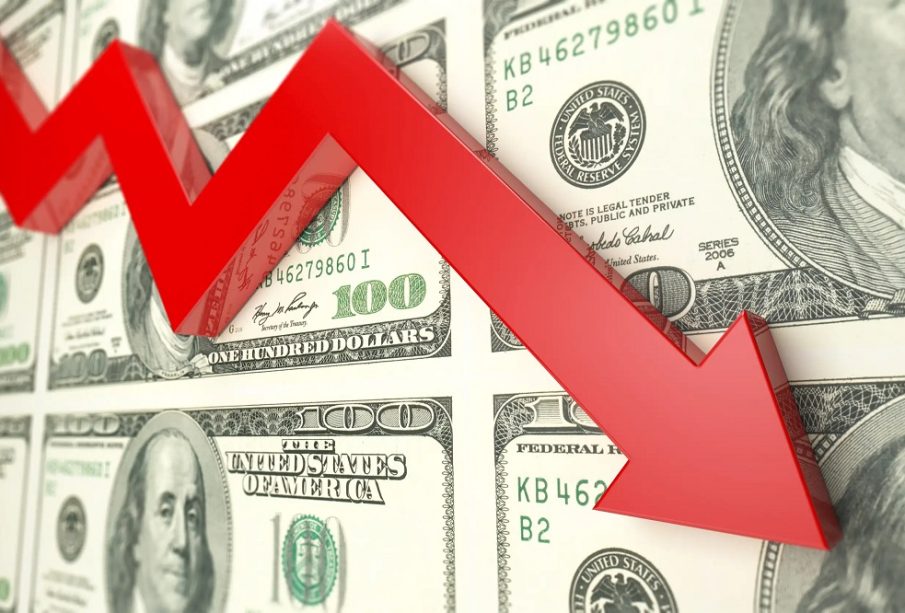
Economic recessions reshape the financial landscape for individuals and households in ways that are often immediate and long lasting. During a downturn, reduced business activity, rising unemployment, and tighter credit conditions create ripple effects that influence income stability, spending habits, savings strategies, and long term financial goals.
Understanding how recessions affect personal finances helps individuals prepare better, respond wisely, and protect their financial future even during uncertain times.
What Is an Economic Recession
An economic recession is a period of significant decline in economic activity that lasts for several months or longer. It typically involves shrinking business output, declining employment levels, lower consumer spending, and reduced investment.
For individuals, recessions often translate into financial stress through reduced income opportunities and increased uncertainty.
Impact on Employment and Income Stability
One of the most immediate effects of a recession is pressure on employment.
During downturns, businesses reduce costs to survive. This often leads to:
- Layoffs and hiring freezes
- Salary cuts or reduced bonuses
- Fewer overtime opportunities
- Increased competition for available jobs
Workers in industries such as manufacturing, retail, construction, hospitality, and real estate tend to be more vulnerable during recessions. Even employees who remain employed may experience slower income growth, which affects household financial planning.
Changes in Household Spending Behavior
Recessions significantly influence how people spend money. Families often shift priorities toward essential needs and postpone non essential purchases.
Common spending adjustments include:
- Reducing entertainment expenses
- Delaying travel plans
- Cutting luxury purchases
- Switching to budget friendly alternatives
- Prioritizing groceries, utilities, and healthcare
This shift helps households maintain stability when income becomes uncertain.
Effects on Savings and Emergency Funds
Savings play a critical role during economic downturns. However, recessions can both strengthen and weaken savings behavior depending on individual circumstances.
Some households increase savings due to uncertainty and fear of job loss. Others are forced to use their savings to cover daily expenses when income declines.
People without emergency funds often experience greater financial stress during recessions, making savings one of the most important protective tools.
Influence on Investments and Asset Values
Financial markets typically experience volatility during recessions. This affects investment portfolios in several ways.
Possible outcomes include:
- Falling stock prices
- Reduced retirement account balances
- Lower property values in some regions
- Reduced business profits and dividends
Although market declines can feel discouraging, long term investors often benefit from staying consistent rather than reacting emotionally to short term fluctuations.
Increased Cost of Borrowing and Credit Restrictions
Banks and lenders become more cautious during recessions. As a result, access to credit becomes more limited.
Individuals may experience:
- Stricter loan approval requirements
- Lower credit limits
- Higher interest rates for risky borrowers
- Reduced availability of business financing
These changes can affect plans such as purchasing homes, starting businesses, or refinancing existing loans.
Impact on Debt Management
Managing debt becomes more challenging when income uncertainty increases. Households carrying high levels of debt may struggle to meet repayment schedules.
Common recession related debt challenges include:
- Difficulty paying credit card balances
- Increased reliance on short term borrowing
- Risk of missed loan payments
- Higher stress related to financial obligations
Reducing unnecessary debt before economic slowdowns can improve financial resilience.
Housing and Real Estate Challenges
Housing markets often react strongly during recessions. Property demand may decline, affecting both buyers and homeowners.
Possible impacts include:
- Slower property sales
- Declining home prices in some markets
- Delayed construction activity
- Increased rental demand in certain areas
Homeowners planning to sell property during a recession may need to adjust expectations regarding pricing and timing.
Retirement Planning Setbacks
Recessions can slow progress toward retirement goals. Lower investment returns and reduced contributions may affect long term savings growth.
Some individuals may:
- Pause retirement contributions temporarily
- Withdraw savings early to meet expenses
- Delay retirement plans
Maintaining consistent contributions whenever possible helps protect long term financial security.
Psychological Effects on Financial Decision Making
Financial uncertainty often influences behavior as much as actual income changes.
People may become more cautious and risk averse during recessions. While caution can be helpful, excessive fear may lead to decisions that harm long term financial growth, such as selling investments too early or avoiding beneficial opportunities.
Balanced decision making remains essential during economic downturns.
Practical Strategies to Protect Personal Finances During a Recession
Individuals can take proactive steps to reduce financial risk and maintain stability during economic slowdowns.
Helpful strategies include:
- Building or strengthening an emergency fund
- Reducing high interest debt
- Diversifying income sources where possible
- Tracking monthly expenses carefully
- Maintaining insurance coverage
- Continuing long term investment discipline
Preparation before and during recessions improves financial confidence and resilience.
Frequently Asked Questions
How long do economic recessions usually last
Most recessions last several months to a few years depending on economic conditions, policy responses, and global influences. Recovery timelines vary across countries and industries.
Are recessions harmful for everyone financially
Not necessarily. While many people face financial challenges, some individuals benefit from lower asset prices, new job opportunities in stable sectors, or improved saving habits.
Should people stop investing during a recession
Stopping investments entirely may interrupt long term growth. Consistent investing over time often helps manage market volatility more effectively.
Is it better to increase savings during a recession
Yes. Increasing savings improves financial security and helps households manage unexpected expenses or temporary income disruptions.
Which expenses should be prioritized during economic uncertainty
Essential expenses such as housing, food, healthcare, insurance, and utilities should always come first during uncertain economic conditions.
Can recessions affect small business owners differently than employees
Yes. Small business owners often face reduced customer demand, supply chain disruptions, and financing challenges that may affect income stability more directly.
Do interest rates always increase during recessions
Not always. Central banks sometimes reduce interest rates to stimulate economic activity, although borrowing conditions can still remain strict depending on lender policies.