4 DIY Protection Dogs Training Techniques Ranked by a Professional Dog Trainer
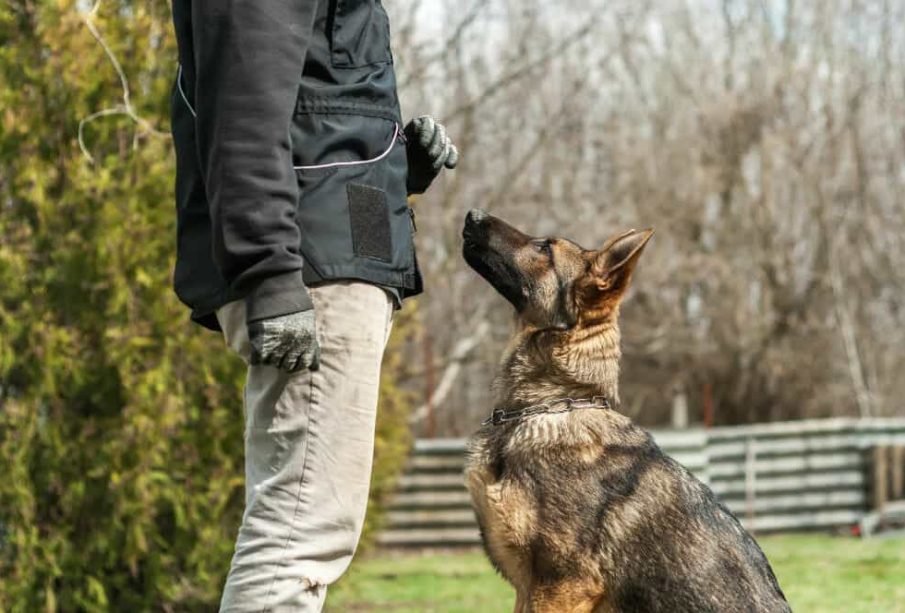
Guard dog training at home is often discussed in extremes, either as something any committed owner can achieve with patience or as a dangerous task best left entirely to specialists. The truth sits somewhere in between. There are practical, responsible techniques that owners can apply to improve alertness, confidence, and control in dogs that already show natural guarding traits. These methods do not replace professional training, nor do they turn a family pet into a fully operational security asset, but they can lay useful foundations.
In the UK, interest in guard and protection dogs has grown steadily as households look for ways to improve security without relying solely on alarms or cameras, as noticed by Total K9. This has also led to confusion about what is realistic, legal, and ethical for owners to attempt themselves. A dog trained poorly can become a liability rather than a deterrent, particularly if aggression is encouraged without structure or accountability. This is why ranking DIY techniques matters; some approaches are genuinely helpful, while others should be treated with caution.
Within this article, one reference is made to personal protection dogs to clarify how DIY training differs from professionally trained animals designed for high-level protection work. The focus here is on sensible, controlled methods that improve a dog’s natural instincts without crossing into unsafe territory.
A professional dog trainer from TotalK9 offers the following commentary on the subject, reflecting industry best practice in the UK. According to the trainer, foundational protection behaviours should always be built around obedience, stability, and environmental confidence. Techniques that encourage calm assessment rather than reactive aggression are far more effective in the long term. Owners interested in protection dog training are advised to focus on structure and clarity rather than attempting advanced bite or confrontation work without professional oversight.
With that framework in mind, the following four DIY guard dog training techniques are ranked based on safety, effectiveness, and suitability for responsible owners.
Rank One: Advanced Obedience Under Distraction
The most effective DIY guard dog training technique is not overtly about guarding at all. Advanced obedience under distraction forms the backbone of every reliable protection or guard dog programme. A dog that responds instantly to commands regardless of environment is far more useful than one that reacts unpredictably to perceived threats.
This type of training goes beyond basic sit, stay, and recall performed in the kitchen or garden. It involves gradually introducing distractions such as unfamiliar people, unusual sounds, moving vehicles, or low-level stressors while maintaining precise control. The aim is to teach the dog to remain attentive to the handler even when its instincts are triggered.
From a guarding perspective, this creates a dog that can observe and assess rather than panic or lunge. A well-trained guard dog should be able to hold position, bark on command if appropriate, and disengage immediately when instructed. These behaviours are impossible without deep obedience conditioning.
Owners can practise this safely by working in controlled public spaces, increasing difficulty slowly, and rewarding calm compliance. The emphasis should always be on clarity and consistency. Corrections, where used, must be proportionate and well-timed, as confusion undermines confidence.
This technique ranks first because it reduces risk. Dogs trained this way are less likely to misinterpret harmless situations as threats. It also aligns closely with UK legal expectations around control and responsibility. While it may not look impressive to outsiders, advanced obedience is the single biggest predictor of whether a guard dog is safe, reliable, and effective.
Rank Two: Controlled Territorial Awareness Training
Territorial awareness training focuses on teaching a dog the boundaries of its home and when to respond to unfamiliar presence within that space. This is often what owners mean when they say they want a “guard dog,” but it must be handled carefully to avoid reinforcing fear-based behaviour.
The process begins by clearly defining the dog’s territory, usually the home and immediate perimeter. The dog is rewarded for alert behaviour such as focused attention or a single bark when someone approaches, rather than continuous noise or frantic movement. Calm acknowledgement of the handler is key.
Owners can simulate scenarios by having a familiar person approach the property in a neutral manner while the handler observes the dog’s response. The goal is not to provoke aggression but to shape a controlled alert followed by calm compliance once the handler confirms the situation is safe.
This technique works best with dogs that naturally show awareness of their surroundings but are not overly anxious. Breeds traditionally used for guarding often respond well, but temperament matters more than breed alone. A nervous dog should not be pushed into territorial work, as this can amplify insecurity.
Territorial awareness ranks second because it directly relates to guarding function while remaining manageable for experienced owners. However, it requires restraint. Allowing a dog to decide independently who is a threat is dangerous. The handler must always remain the decision-maker, reinforcing that the dog’s role is to alert, not to act.
Rank Three: Environmental Confidence Building
Environmental confidence is an often-overlooked aspect of guard dog development, yet it plays a major role in how a dog responds to perceived threats. A dog that is unsure of its surroundings is far more likely to react defensively, even aggressively, inappropriately.
This training involves exposing the dog to a wide range of environments, surfaces, sounds, and situations in a controlled, positive way. Urban streets, rural paths, car parks, staircases, lifts, and unfamiliar buildings all contribute to a dog’s understanding of the world. The objective is neutrality rather than excitement.
From a guarding perspective, environmental confidence ensures that the dog can distinguish between genuine anomalies and everyday stimuli. A confident dog is harder to startle and easier to control. This directly improves reliability when the dog is expected to monitor its surroundings.
Owners can implement this by scheduling regular exposure sessions, keeping them short and positive. The dog should be allowed to investigate at its own pace, guided but not forced. Rewards are used to reinforce calm exploration rather than avoidance or overexcitement.
This technique ranks third because it supports all other training but does not, on its own, create guarding behaviour. It is foundational rather than functional. Nevertheless, many professional trainers consider environmental confidence non-negotiable in any dog expected to perform a protective role.
Rank Four: Alert Bark Training on Command
Teaching a dog to bark on command is often seen as a shortcut to creating a guard dog. While it has some practical value, it ranks lower due to the risk of misuse and misunderstanding. Barking alone does not equate to protection, and uncontrolled barking can quickly become a nuisance or legal issue.
When done correctly, alert bark training teaches the dog to vocalise once or twice on cue, then stop immediately when instructed. This can act as a deterrent and signal awareness without escalating a situation unnecessarily. The emphasis is on precision and control rather than volume or intensity.
Training usually begins by capturing natural barking behaviour, such as when the doorbell rings, and pairing it with a verbal command. The stop command is introduced just as carefully, ensuring the dog understands that silence is equally valuable.
This technique ranks fourth because it is easily misapplied. Encouraging barking without teaching an off-switch leads to frustration for neighbours and confusion for the dog. In the UK, excessive noise complaints can undermine the very security benefits owners are seeking.
Used sparingly and correctly, alert barking can complement other training. Used in isolation, it creates the illusion of protection without the substance. This is why professional programmes treat barking as a small component rather than a central skill.
Understanding the Limits of DIY Guard Dog Training
DIY techniques have clear boundaries. None of the methods described here should involve bite training, physical confrontation, or simulated attacks. These elements require specialist equipment, experienced decoys, and a deep understanding of canine psychology. Attempting them at home significantly increases the risk of injury and legal consequences.
Owners should also understand that not every dog is suitable for guarding roles. Temperament, nerve strength, and social stability are decisive factors. Forcing a dog into a role it is not suited for can damage trust and create behavioural problems that extend beyond guarding contexts.
Professional trainers often see cases where well-intentioned DIY efforts have led to increased reactivity or fear aggression. This does not mean owners should avoid training altogether, but it does highlight the importance of knowing when to stop. If a dog shows signs of stress, avoidance, or uncontrolled aggression, professional intervention is essential.
In contrast to fully trained protection animals, including personal protection dogs developed through structured programmes, DIY-trained dogs should always remain under direct handler control and within predictable scenarios. Their role is to alert and deter, not to engage.
Conclusion
Responsible guard dog training at home is less about creating intimidation and more about building control, confidence, and clear communication. The highest-ranked techniques focus on obedience and stability, reinforcing the idea that a reliable dog is one that listens first and reacts second.
Advanced obedience under distraction stands out as the most valuable skill an owner can develop, followed closely by controlled territorial awareness. Environmental confidence supports both, while alert bark training, though useful, should remain limited and precise.
By approaching training with restraint and realism, owners can enhance their dog’s natural abilities without compromising safety or welfare. The most effective guard dogs are not those that appear aggressive, but those that are calm, observant, and firmly under control.