The Rise of Artificial Intelligence in Everyday Technology
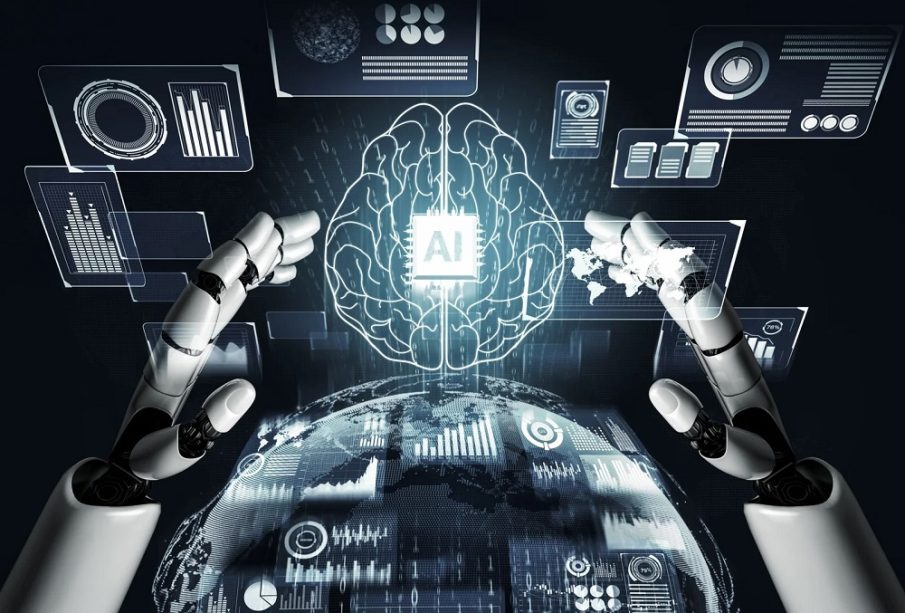
Artificial intelligence is no longer confined to research laboratories or futuristic prototypes. It has become a practical force shaping how people communicate, shop, learn, travel, and work. From smartphones to healthcare diagnostics, AI-driven systems now operate quietly in the background of everyday experiences.
This article explains how artificial intelligence is transforming modern technology, why it matters for individuals and businesses, and what trends are likely to define the next stage of innovation.
What Artificial Intelligence Means in Practical Terms
Artificial intelligence refers to computer systems designed to perform tasks that normally require human reasoning. These tasks include recognizing speech, identifying patterns in images, predicting outcomes from data, and making decisions based on context.
Modern AI applications rely heavily on machine learning, where systems improve performance by analyzing large datasets rather than following fixed instructions.
Common capabilities include
- Voice recognition
- Predictive analytics
- Natural language processing
- Image classification
- Personalized recommendations
These capabilities are now embedded across consumer and enterprise technologies.
How AI Is Transforming Smartphones
Smartphones represent one of the most visible examples of AI integration in daily life. Most modern devices rely on intelligent software to enhance usability and performance without requiring user awareness.
Key AI-powered features include
Smart photography enhancements
AI adjusts exposure, sharpness, lighting balance, and subject detection automatically. Portrait mode and night photography rely heavily on neural processing.
Voice assistants
Speech recognition systems convert spoken commands into actionable instructions, enabling hands-free operation.
Predictive typing
Keyboards learn writing patterns and suggest context-aware words and phrases.
Battery optimization
AI analyzes usage habits to extend device battery life by prioritizing frequently used applications.
These improvements make smartphones more responsive and personalized over time.
AI in Smart Homes and Connected Devices
Smart home ecosystems are rapidly evolving with AI-enabled automation. Connected devices now adapt to user behavior instead of requiring manual control.
Examples include
- Thermostats that learn temperature preferences
- Lighting systems that adjust based on occupancy
- Security cameras that detect unusual movement
- Smart speakers that respond conversationally
These systems reduce energy usage while improving convenience and safety.
The Role of AI in Healthcare Technology
Healthcare is one of the sectors benefiting most from intelligent automation. AI systems assist medical professionals by improving diagnostic accuracy and reducing administrative workload.
Important developments include
Medical imaging analysis
AI helps detect abnormalities in scans such as tumors or fractures faster than traditional methods.
Predictive health monitoring
Wearable devices track heart rate, sleep cycles, and activity levels to identify early warning signs of health concerns.
Drug discovery acceleration
Machine learning models analyze chemical interactions to shorten development timelines for new medicines.
These improvements support earlier intervention and more efficient treatment planning.
AI in Transportation and Navigation
Transportation technologies increasingly depend on AI to enhance safety and efficiency.
Applications include
- Real-time traffic prediction
- Driver assistance systems
- Route optimization tools
- Autonomous vehicle research platforms
Navigation systems now adapt dynamically to traffic conditions, saving time and reducing fuel consumption.
How Businesses Use Artificial Intelligence
Organizations across industries are adopting AI to improve productivity and customer experience.
Major use cases include
Customer support automation
Chat-based assistants respond instantly to common questions and service requests.
Fraud detection systems
Financial platforms identify suspicious transactions using behavioral pattern analysis.
Demand forecasting
Retail companies predict purchasing trends to manage inventory more efficiently.
Marketing personalization
Recommendation engines suggest relevant products based on browsing behavior.
These capabilities help companies operate faster while reducing operational costs.
Privacy and Ethical Considerations
Despite its advantages, AI raises important questions about responsible implementation.
Key concerns include
- Data privacy protection
- Algorithm transparency
- Bias in automated decision systems
- Responsible surveillance limits
Technology companies and regulators continue working toward frameworks that balance innovation with accountability.
Emerging AI Trends to Watch
Artificial intelligence continues evolving at a rapid pace. Several developments are expected to influence the next generation of technology systems.
Important trends include
On-device AI processing
Smartphones and laptops increasingly perform AI tasks locally instead of relying entirely on cloud services.
Multimodal interaction systems
Future assistants will understand text, voice, images, and gestures simultaneously.
Industry-specific automation platforms
Healthcare, agriculture, education, and logistics sectors are building specialized AI tools tailored to operational needs.
Human-AI collaboration tools
Rather than replacing workers, many systems now enhance productivity by supporting decision-making.
These trends indicate a shift toward more personalized and context-aware computing environments.
Frequently Asked Questions
1. What makes modern AI different from earlier computer automation systems
Modern AI systems learn from data instead of following rigid rule-based instructions. This allows them to improve performance over time.
2. Is artificial intelligence only useful for large technology companies
No. Small businesses increasingly use AI tools for marketing analytics, customer engagement, and workflow automation.
3. Can AI operate without internet connectivity
Some applications require internet access, but many modern devices now support on-device AI processing for faster and more private operation.
4. Does AI replace human jobs completely
Most current systems assist professionals rather than replacing them. They automate repetitive tasks while humans focus on strategic decisions.
5. How does AI improve cybersecurity systems
AI detects unusual behavior patterns across networks, helping identify threats before they cause damage.
6. Are AI-powered smart home devices secure
Security depends on manufacturer standards and user configuration. Regular updates and strong passwords improve protection significantly.
7. What industries will benefit most from AI in the next decade
Healthcare, transportation, finance, education, and agriculture are expected to experience the strongest transformation through intelligent automation.