How to Choose Clothes That Match Your Lifestyle
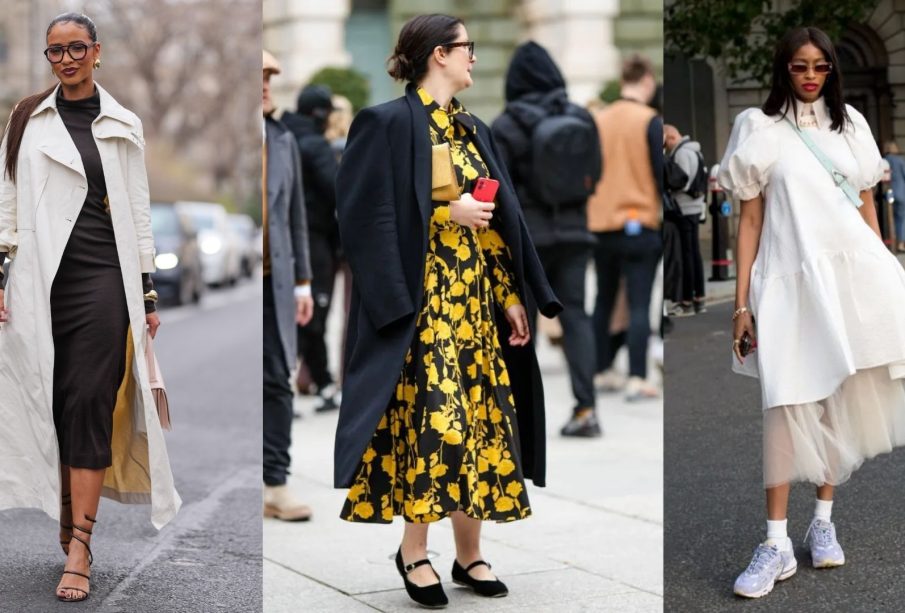
Choosing clothes that truly match your lifestyle makes daily decisions easier and improves comfort, confidence, and practicality. Instead of following short-lived trends, building a wardrobe around your routine ensures every piece serves a purpose. When clothing supports your activities, your appearance becomes more consistent and functional without extra effort.
This guide explains how to align your clothing choices with your responsibilities, preferences, and environment so your wardrobe works for you rather than against you.
Understand Your Daily Routine First
Before buying new clothing, evaluate how you spend most of your time. Your wardrobe should reflect what you actually do, not what you occasionally imagine doing.
Consider the following areas:
- Work environment and expectations
- Commute conditions
- Social activities
- Fitness habits
- Climate and seasonal variation
For example, someone working remotely needs fewer formal outfits than someone attending daily meetings.
Identify Your Core Clothing Categories
Most lifestyles require a balance of several clothing categories. Recognizing your dominant categories prevents unnecessary purchases.
Typical wardrobe segments include:
Workwear
Select clothing that matches your professional setting such as:
- Structured shirts
- Comfortable trousers
- Neutral blazers
- Practical footwear
Comfort should support productivity throughout the day.
Casual Wear
Casual clothing usually forms the largest portion of a lifestyle-based wardrobe.
Examples include:
- Relaxed shirts
- Denim or versatile pants
- Comfortable sneakers
- Layering jackets
These items should mix easily with each other.
Activity-Based Clothing
If your lifestyle includes movement or travel, functional clothing becomes essential.
Examples include:
- Breathable fabrics
- Stretch-friendly materials
- Lightweight layers
- Weather-appropriate outerwear
Function should guide selection more than appearance alone.
Choose Fabrics That Support Your Environment
Fabric choice affects durability, comfort, and practicality. Matching materials to your surroundings improves everyday wearability.
Helpful fabric strategies include:
- Cotton for breathability in warm climates
- Wool blends for structured layering
- Linen for airflow during hot seasons
- Stretch fabrics for mobility
Selecting suitable materials reduces replacement frequency.
Prioritize Fit Over Fashion Trends
Clothing that fits properly always looks more refined than trend-driven pieces that feel uncomfortable.
When evaluating fit:
- Ensure natural shoulder alignment
- Avoid excessive tightness
- Maintain comfortable movement range
- Select appropriate length for sleeves and trousers
Good fit improves confidence without requiring expensive clothing.
Build a Versatile Color Palette
A consistent color palette simplifies outfit coordination and reduces decision fatigue.
Effective wardrobe color planning includes:
- Neutral base colors such as black, navy, grey, or beige
- Two to three accent shades
- Seasonal adjustments when necessary
Versatility increases when most items coordinate easily with each other.
Match Clothing to Your Social Lifestyle
Your social routine influences how formal or relaxed your wardrobe should be.
Consider whether your activities include:
- Professional networking events
- Informal gatherings
- Outdoor activities
- Cultural or community events
Balanced wardrobes reflect both professional and personal environments.
Invest in Quality Where It Matters Most
Not every clothing item needs premium quality. However, some categories benefit from stronger construction and better materials.
Smart investment pieces include:
- Footwear
- Outerwear
- Workwear staples
- Everyday carry bags
Higher-quality essentials last longer and maintain their appearance better.
Keep Comfort as a Long-Term Priority
Comfort plays a major role in whether clothing becomes part of your regular rotation.
Comfort-focused choices include:
- Breathable fabrics
- Flexible fits
- Lightweight layering options
- Seasonally appropriate textures
Comfort encourages consistent usage.
Adapt Your Wardrobe as Your Lifestyle Changes
Lifestyle changes often require wardrobe adjustments. Instead of replacing everything at once, update gradually.
Situations that may require updates include:
- Career transitions
- Relocation to a new climate
- Increased travel frequency
- Changes in activity level
Gradual updates maintain wardrobe balance without unnecessary spending.
Avoid Buying Clothing Without Purpose
Unplanned purchases often remain unused. Intentional selection improves wardrobe efficiency.
Before buying new items, ask:
- Does this match my routine
- Can I wear it in multiple situations
- Does it coordinate with existing pieces
Purpose-driven shopping supports long-term satisfaction.
Frequently Asked Questions
How many outfits should a lifestyle-based wardrobe include
A practical wardrobe usually contains enough combinations for two to three weeks of rotation depending on work schedule and climate.
Can one wardrobe work across multiple lifestyles
Yes, flexible pieces such as neutral shirts and versatile trousers can adapt to work, travel, and casual settings with minor adjustments.
Is it necessary to follow seasonal fashion trends
Seasonal trends are optional. Comfort, function, and personal consistency matter more for everyday clothing decisions.
How often should wardrobes be updated
Most wardrobes benefit from small updates twice a year to adjust for climate changes and lifestyle shifts.
Should lifestyle clothing always be neutral in color
Neutral colors increase versatility, but adding a few accent shades helps maintain personality and visual interest.
What is the biggest mistake people make when choosing clothing
Many people buy clothing based on appearance alone without considering their daily routine, which leads to underused items.
How can someone simplify wardrobe decisions quickly
Start by identifying the most frequently worn pieces and build future purchases around those patterns to maintain consistency and usability