Blended Learning: Combining Online and Offline Education
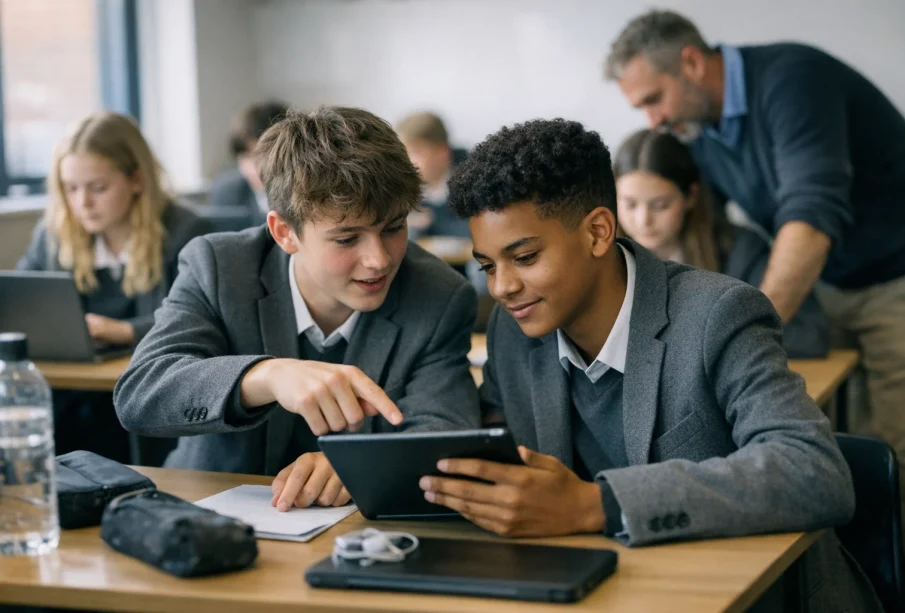
Blended learning combines traditional classroom teaching with digital learning tools to create a flexible and effective educational experience. This approach allows students to benefit from face to face interaction while also using online platforms for independent study. As education systems continue to evolve, blended learning has become a practical model for improving engagement, accessibility, and learning outcomes across schools, universities, and professional training environments.
What Is Blended Learning
Blended learning refers to an instructional strategy that integrates in person teaching with digital resources and virtual activities. Instead of replacing classroom learning, technology enhances how lessons are delivered and how students interact with course material.
This approach allows learners to participate in structured classroom discussions while also accessing recorded lectures, assignments, and resources online at their own pace.
Key Components of Blended Learning Environments
Effective blended learning models depend on thoughtful coordination between offline instruction and digital tools.
Essential elements of blended learning include
- Classroom based teaching guided by instructors
- Online learning platforms for assignments and resources
- Interactive multimedia content such as videos and simulations
- Continuous communication between teachers and students
- Flexible scheduling for independent study sessions
These components help create a balanced and adaptable learning experience.
Benefits of Blended Learning for Students
Blended learning supports different learning styles and encourages active participation. Students gain greater control over how they access information and manage their time.
Major advantages for learners include
- Increased flexibility in accessing study materials
- Improved understanding through multimedia resources
- Opportunities for personalized learning pace
- Stronger collaboration with classmates
- Better preparation for digital work environments
This combination helps students build both academic knowledge and technical confidence.
Advantages for Teachers and Educational Institutions
Blended learning not only benefits students but also supports teachers in delivering more effective instruction.
Institutional benefits include
- Improved tracking of student progress through digital platforms
- Greater flexibility in lesson planning
- Access to a wider range of teaching resources
- Enhanced communication between instructors and learners
- Efficient management of assignments and assessments
Teachers can adapt their strategies based on real time feedback from digital learning systems.
Role of Technology in Supporting Blended Learning
Technology serves as the foundation of blended learning by enabling access to resources beyond physical classrooms. Learning management systems allow educators to share materials, monitor progress, and communicate with students efficiently.
Digital tools commonly used in blended learning environments include
- Learning management systems for course organization
- Video conferencing platforms for remote instruction
- Interactive quizzes and assessments
- Digital collaboration tools for group projects
These technologies strengthen learning continuity across different environments.
Challenges in Implementing Blended Learning
Although blended learning offers many advantages, successful implementation requires careful planning and support.
Common challenges include
- Limited access to reliable internet connections
- Need for teacher training in digital tools
- Managing student engagement in online sessions
- Ensuring equal access to devices and resources
Addressing these challenges helps institutions maximize the benefits of blended education models.
Blended Learning in Higher Education and Professional Training
Universities and professional training programs increasingly rely on blended learning to support flexible study schedules. Working professionals can continue education without interrupting their careers, while universities can expand access to broader student populations.
Blended learning supports
- Continuing education programs
- remote certification courses
- workplace training initiatives
- skill development workshops
This approach makes lifelong learning more practical and accessible.
Future Trends in Blended Learning
Educational systems continue to integrate advanced digital tools into classroom instruction. As technology evolves, blended learning models are expected to become more interactive and personalized.
Emerging developments may include
- adaptive learning platforms based on student performance
- expanded use of virtual simulations for practical training
- increased collaboration through digital learning communities
- improved access to global educational resources
These trends highlight the growing importance of blended learning in modern education.
Frequently Asked Questions
1. How does blended learning differ from fully online education
Blended learning combines classroom interaction with digital study tools, while fully online education takes place entirely through virtual platforms.
2. Is blended learning suitable for younger students
Yes. With proper supervision and structured guidance, blended learning can support effective learning for school level students.
3. What skills do students develop through blended learning environments
Students improve time management, digital literacy, communication, and independent learning skills.
4. Can blended learning improve student motivation
Yes. Interactive content and flexible learning schedules often increase engagement and interest in coursework.
5. What role do parents play in blended learning at school level
Parents support learning by helping students manage schedules, monitor progress, and encourage responsible technology use.
6. Are blended learning programs more cost effective for institutions
Blended models can reduce infrastructure pressure while expanding access to educational resources and course delivery options.
7. How can teachers prepare for blended learning classrooms
Teachers benefit from training in digital platforms, instructional design strategies, and student engagement techniques suited for hybrid environments.