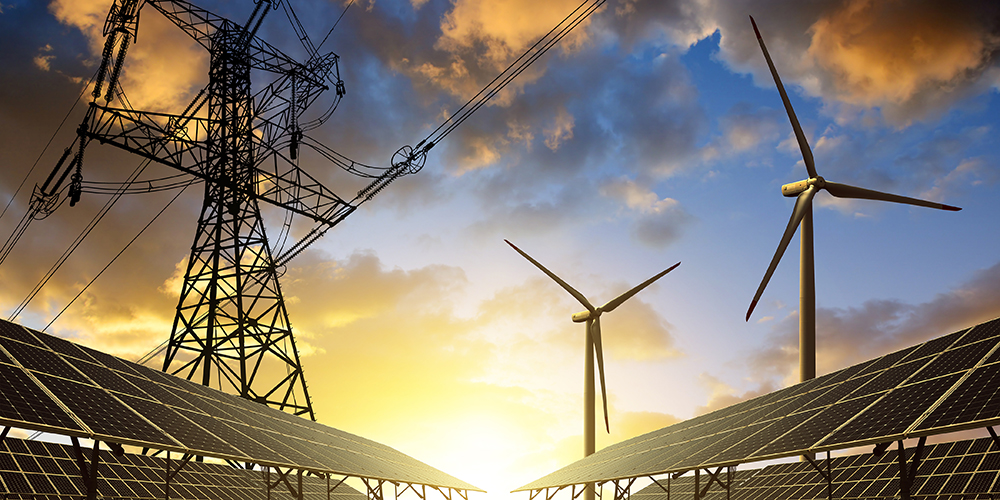
In a world increasingly shaped by digital innovation and environmental urgency, energy efficiency is no longer a luxury—it’s a necessity. Rising utility costs and growing climate concerns have led many homeowners to turn to smart energy systems as a practical solution. These technologies do more than automate—they optimize energy consumption, enhance comfort, and significantly reduce long-term expenses. If you’re looking to shrink your energy bills without compromising your lifestyle, it’s time to explore the transformative power of smart energy systems. This guide dives into how these innovations work, which ones deliver the highest return, and how to integrate them seamlessly into your home.
Understanding Smart Energy Systems
Smart energy systems are designed to monitor, manage, and optimize energy usage in real time. They rely on sensors, automation, and data analysis to fine-tune performance and reduce waste. These systems don’t just save energy—they provide users with actionable insights and remote control, making it easier than ever to conserve without effort.
Core Components of Smart Energy Systems:
-
Smart Thermostats
-
Automated Lighting and Appliances
-
Home Energy Monitoring Devices
-
Solar Energy Integration
-
Smart Plugs and Power Strips
-
Energy-Efficient HVAC and Water Heaters
Each of these tools serves a distinct function, but together, they create a cohesive energy-saving ecosystem.
Smart Thermostats: Intelligent Climate Control
Perhaps the most well-known smart energy device, a smart thermostat is a cornerstone of any energy-efficient home. These systems learn your habits, adjust automatically to your schedule, and respond to external weather conditions.
Benefits of Smart Thermostats:
-
Learning Algorithms: Devices like the Nest or Ecobee adapt to your behavior and optimize settings without manual input.
-
Remote Access: Control your home’s temperature from your smartphone, whether you’re across town or halfway around the world.
-
Energy Usage Reports: Detailed feedback helps you identify wasteful habits and adjust accordingly.
Smart thermostats can reduce heating and cooling bills by up to 20%, making them one of the most cost-effective investments available.
Smart Lighting Systems: Efficiency with Elegance
Lighting accounts for roughly 10% of a home’s energy usage. Smart lighting systems cut this number dramatically through automation, remote control, and adaptive technologies.
Effective Features Include:
-
Motion Sensors: Lights turn on or off based on presence, ensuring no room is lit unnecessarily.
-
Dimming Capabilities: Reduce brightness to save energy while maintaining ambiance.
-
Scheduling and Remote Access: Program lighting based on daily routines or control lights while you’re away.
By eliminating human error (such as leaving lights on), these systems lower energy consumption without compromising convenience.
Home Energy Monitoring: Knowledge is Power
Understanding where and how energy is being used in your home is key to making smarter decisions. Whole-home energy monitors connect to your electrical panel and provide real-time data via smartphone apps.
Key Advantages:
-
Device-Level Monitoring: Identify which appliances consume the most energy.
-
Instant Alerts: Receive notifications for unusual usage patterns or malfunctioning equipment.
-
Usage Trends and Forecasts: Spot long-term trends to better plan and reduce consumption.
Armed with this knowledge, homeowners can make data-driven choices that lead to significant monthly savings.
Solar Power Meets Smart Tech: The Cleanest Combo
Solar energy has long been touted as a sustainable alternative to fossil fuels, but integrating it with smart systems enhances its effectiveness exponentially.
Smart Solar Features to Consider:
-
Smart Inverters: Manage the distribution of solar energy between home use, battery storage, and grid return.
-
Real-Time Tracking: Monitor energy production and consumption minute-by-minute.
-
Battery Storage Systems: Store excess solar power for use during peak hours or outages.
Smart solar setups not only lower electricity bills but also future-proof your home against utility rate hikes.
Smart Plugs and Power Strips: Tiny Tools, Big Impact
You might not think a plug could save you money, but smart plugs can turn any outlet into an energy-efficient asset.
What They Offer:
-
Remote Power Control: Turn off appliances that are left on accidentally.
-
Scheduling: Program devices to shut off during peak utility rate periods.
-
Phantom Load Reduction: Cut down on energy used by electronics in standby mode.
Simple and affordable, smart plugs are ideal for optimizing older appliances or electronics without replacing them.
Energy-Efficient HVAC and Water Systems: Smarter Comfort
Heating, ventilation, air conditioning, and water heating account for a significant portion of household energy use. Smart systems can help these heavy hitters work more efficiently.
Smart HVAC and Water Heating Features:
-
Zoned Heating and Cooling: Deliver conditioned air only where and when it’s needed.
-
Usage Learning: Systems adapt to habits, minimizing unnecessary operation.
-
Remote Diagnostics and Alerts: Catch issues early and avoid costly repairs or inefficiencies.
Replacing outdated systems with smart alternatives can drastically cut energy consumption while improving home comfort.
The Financial Case for Going Smart
Investing in smart energy systems may seem costly upfront, but the long-term savings typically offset initial expenses.
Expected Returns:
-
Utility Bill Savings: Households can expect a 15–30% reduction in electricity and gas bills annually.
-
Increased Property Value: Homes equipped with energy-saving tech are more appealing to eco-conscious buyers.
-
Rebates and Incentives: Many governments and utility companies offer rebates for installing smart systems, further reducing costs.
When viewed as a long-term investment, smart energy systems often pay for themselves within a few years.
Implementation Tips: Making the Switch Smooth
Transitioning to a smart energy home doesn’t have to be overwhelming. Begin with smaller, manageable upgrades and expand over time.
Best Practices for Integration:
-
Start with a Smart Thermostat or Lighting System: These deliver immediate returns and are easy to install.
-
Check for Compatibility: Ensure your devices integrate well with existing home automation hubs like Google Home, Alexa, or Apple HomeKit.
-
Use Bundles or Ecosystems: Sticking to one brand (e.g., Ecobee, Lutron, or Samsung SmartThings) often simplifies connectivity and control.
-
Set Realistic Goals: Not every appliance needs to be smart. Focus on high-consumption areas first.
Final Thoughts: Energy Intelligence is the New Luxury
The modern smart home isn’t just about gadgets—it’s about living better, cleaner, and more consciously. Smart energy systems represent a powerful intersection of technology and sustainability, offering a lifestyle where luxury meets responsibility. By investing in these intelligent tools, you’re not only reducing your carbon footprint but also reclaiming control over your household expenses.
In a world where every kilowatt matters, smart energy systems are more than just a convenience—they are the blueprint for a future-ready home. Whether you’re a tech enthusiast, an eco-warrior, or simply someone looking to spend less each month, smart energy is a wise and worthwhile path forward.