The Role of Artificial Intelligence in Modern Cars
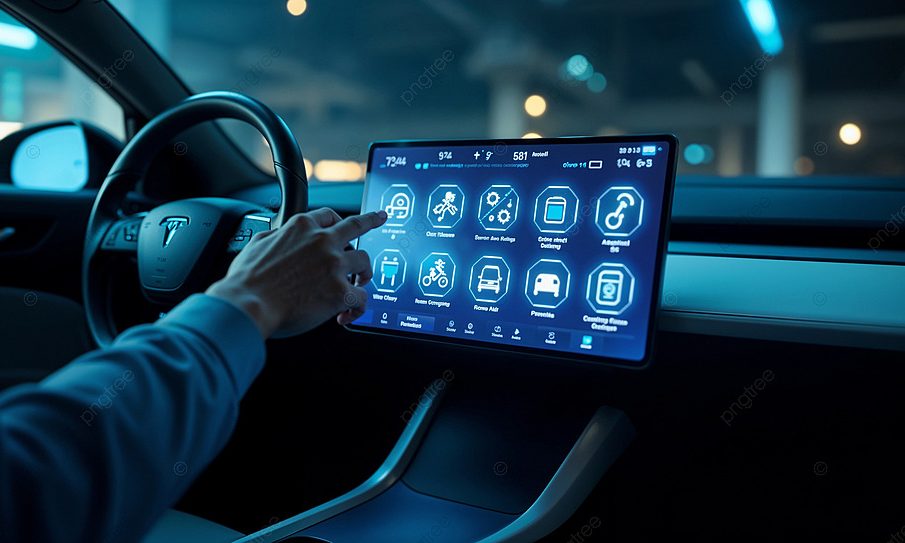
Artificial intelligence is transforming the automotive industry by improving safety, efficiency, comfort, and driving convenience. Modern vehicles increasingly rely on intelligent systems that analyze data in real time, support driver decisions, and automate complex tasks. As technology continues to evolve, artificial intelligence is becoming a central component of vehicle design and functionality.
What Artificial Intelligence Means in Modern Vehicles
Artificial intelligence in cars refers to computer systems that simulate human decision making by processing data from sensors, cameras, radar, and onboard software. These systems interpret road conditions, monitor driver behavior, and assist with navigation and safety.
Modern vehicles use artificial intelligence to improve driving performance, prevent accidents, and enhance passenger comfort through automated features and predictive analytics.
Improving Road Safety Through Smart Driver Assistance
One of the most important roles of artificial intelligence in vehicles is enhancing safety through advanced driver assistance systems.
Key safety features supported by artificial intelligence include
- Automatic emergency braking that detects obstacles ahead
- Lane keeping assistance that helps maintain proper positioning
- Adaptive cruise control that adjusts speed automatically
- Blind spot monitoring that alerts drivers to nearby vehicles
- Driver attention monitoring that detects fatigue or distraction
These technologies reduce human error, which remains a major cause of traffic accidents worldwide.
Supporting Semi Autonomous and Autonomous Driving
Artificial intelligence enables vehicles to analyze surroundings and respond to changing traffic conditions with minimal driver input. While fully autonomous vehicles are still developing in many regions, semi autonomous features are already widely available.
Examples of automated driving capabilities include
- Highway lane centering systems
- Traffic jam assist in slow moving conditions
- Automatic parking assistance
- Intelligent speed adjustment based on traffic signs
These features reduce driver workload and increase travel convenience during long journeys.
Enhancing Navigation and Route Planning
Artificial intelligence improves navigation by analyzing traffic patterns, weather conditions, and road closures in real time.
Smart navigation systems can
- Suggest faster alternate routes during congestion
- Predict arrival times accurately
- Recommend fuel efficient driving paths
- Locate nearby services such as fuel stations and parking areas
Real time route optimization helps drivers save both time and fuel.
Enabling Voice Controlled In Car Assistants
Voice recognition powered by artificial intelligence allows drivers to interact with vehicles without taking their hands off the steering wheel.
Drivers can control functions such as
- Navigation adjustments
- Phone calls and messaging
- Climate settings
- Music selection
Voice assistants improve safety by minimizing distractions while driving.
Predictive Maintenance and Vehicle Health Monitoring
Artificial intelligence helps detect potential mechanical issues before they become serious problems. Sensors continuously monitor engine performance, tire pressure, battery condition, and other important components.
Predictive maintenance systems provide
- Early warnings about component wear
- Maintenance scheduling reminders
- Improved vehicle reliability
- Reduced unexpected breakdown risks
This technology supports longer vehicle life and lower maintenance costs.
Improving Fuel Efficiency and Energy Management
Artificial intelligence plays an important role in optimizing fuel consumption and energy usage, especially in hybrid and electric vehicles.
Efficiency improvements include
- Smart battery management in electric vehicles
- Optimized acceleration and braking patterns
- Energy recovery monitoring
- Route based energy prediction
These systems help reduce environmental impact and operating costs.
Strengthening Connectivity Between Vehicles and Infrastructure
Modern vehicles increasingly communicate with surrounding infrastructure and other vehicles. Artificial intelligence processes this information to improve driving decisions.
Connected vehicle systems enable
- Traffic signal communication
- Hazard warnings from nearby vehicles
- Real time traffic updates
- Emergency response coordination
This connectivity contributes to safer and more efficient transportation systems.
Supporting Personalized Driving Experiences
Artificial intelligence adapts vehicle settings based on driver behavior and preferences. Over time, the system learns habits and adjusts features automatically.
Personalized features may include
- Seat and mirror position memory
- Climate control adjustments
- Driving mode recommendations
- Infotainment preferences
Customization improves comfort and convenience for daily use.
Frequently Asked Questions
1. How do artificial intelligence systems collect information inside modern vehicles
Artificial intelligence systems gather information through cameras, radar sensors, onboard computers, and vehicle performance monitoring systems.
2. Are artificial intelligence features available in budget friendly vehicles
Many entry level vehicles now include basic driver assistance technologies such as lane alerts and emergency braking support.
3. Can artificial intelligence reduce driver fatigue during long trips
Yes, adaptive cruise control, lane assistance, and navigation support reduce workload and make extended driving more comfortable.
4. Do artificial intelligence systems require internet connectivity to function
Some features operate offline using onboard processors, while others depend on internet connectivity for real time updates.
5. Is artificial intelligence used in electric vehicle charging management
Artificial intelligence helps optimize charging schedules, monitor battery health, and improve overall energy efficiency.
6. Can artificial intelligence improve parking accuracy in crowded areas
Yes, automated parking systems use sensors and cameras to guide vehicles safely into tight spaces.
7. Will artificial intelligence eventually replace human drivers completely
Fully autonomous driving is still developing, and human supervision remains essential in most driving environments today.