Five Best Cherries For Northern Climates
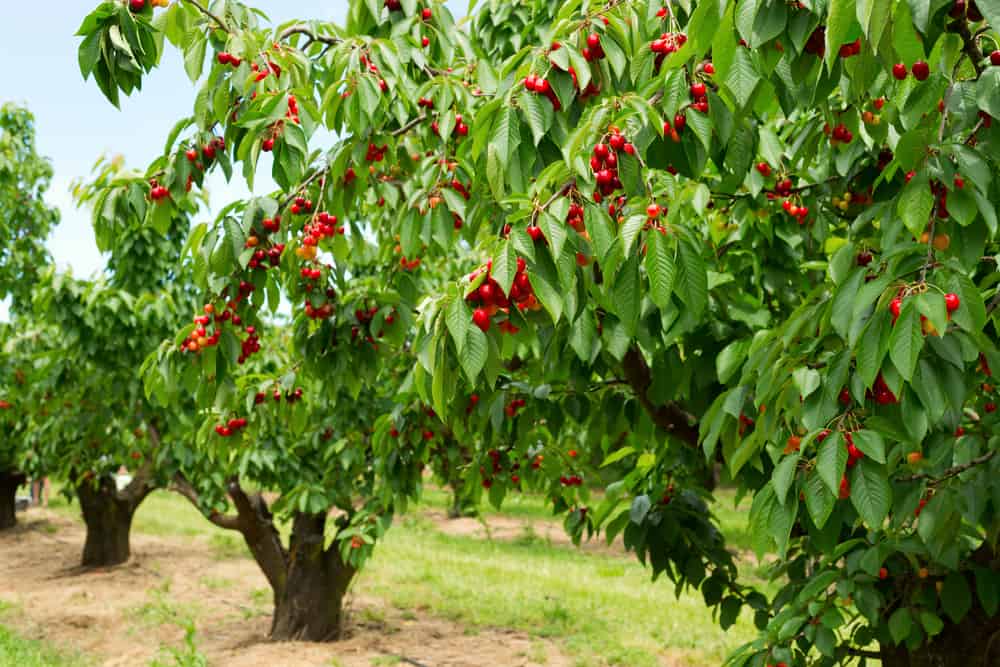
In northern climates, particularly in the UK, selecting cherry trees varieties that can withstand cooler temperatures, shorter growing seasons, and occasional harsh weather is essential for successful cultivation. This article explores five cherry varieties particularly suited to northern gardens, focusing on their adaptability, fruit quality, and ease of growth. For gardeners seeking reliable options, a nursery specialist from ChrisBowers advises, “Choosing self-fertile cherry varieties on dwarfing rootstocks like Gisela 5 is ideal for northern climates, as they require less space and are easier to protect from birds. Our range of cherry trees includes varieties tailored for UK gardens, ensuring robust growth and bountiful harvests even in cooler regions.” This guidance highlights the importance of selecting varieties that align with the specific challenges of northern environments.
Cherry Trees in Northern Climates
Cherry trees belong to the genus Prunus, with sweet cherries (Prunus avium) and acid or sour cherries (Prunus cerasus) being the primary types grown in gardens. Northern climates, such as those in the UK, present challenges including lower temperatures, reduced sunlight hours, and a shorter growing season compared to southern regions. Sweet cherries typically require more warmth and sun to produce sweet, juicy fruit, while acid cherries are hardier and better suited to cooler conditions. The key to successful cherry cultivation in these areas lies in choosing varieties that are cold-hardy, self-fertile, and grafted onto dwarfing rootstocks to manage size and facilitate easier care.
Self-fertility is particularly important for northern gardeners, as it eliminates the need for a pollination partner, which can be challenging in smaller gardens or areas with fewer pollinators. Dwarfing rootstocks, such as Gisela 5, allow trees to remain compact, making them suitable for small spaces, containers, or fruit cages, which are often necessary to protect cherries from birds. Additionally, cherries require a certain number of chilling hours—typically between 800 and 1,200 hours below 7°C—to break dormancy and initiate flowering. Most northern climates naturally provide these conditions, making cherries a viable option for UK gardeners.
Selection Criteria for the Best Cherry Varieties
The five cherry varieties selected for this article were chosen based on their cold hardiness, self-fertility, fruit quality, and suitability for northern UK climates. Each variety has been evaluated for its ability to thrive in regions with cooler summers and colder winters, as well as its resistance to common issues such as bacterial canker and cherry blackfly. The varieties are also available from reputable nurseries offering fruit trees for sale, ensuring gardeners can access high-quality stock. These selections cater to both novice and experienced gardeners, providing options for fresh eating, cooking, and ornamental value.
1. Stella Cherry
Stella is a standout choice for northern climates due to its self-fertility and reliable performance. Developed in British Columbia, this sweet cherry variety produces large, dark red fruits with a juicy, rich flavour, ripening in late July. Its self-fertile nature makes it ideal for small gardens where space for multiple trees is limited. Stella is grafted onto dwarfing rootstocks like Gisela 5, keeping the tree manageable at around 1.8–2.5 metres in height, perfect for containers or fruit cages. The tree’s vigorous, upright growth when young transitions to a spreading habit as it matures, making it adaptable to various garden layouts.
Stella’s cold hardiness allows it to thrive in northern UK conditions, and its fruits are resistant to cracking in wet weather, a common issue in rainy regions. Gardeners should plant Stella in a sunny, south-facing position to maximise fruit sweetness and ensure regular watering, especially for container-grown trees. Pruning should be done in late summer to avoid disease, focusing on removing dead or overcrowded branches. This variety’s combination of ease, productivity, and flavour makes it a top choice for UK gardeners seeking fruit trees for sale that deliver consistent results.
2. Morello Cherry
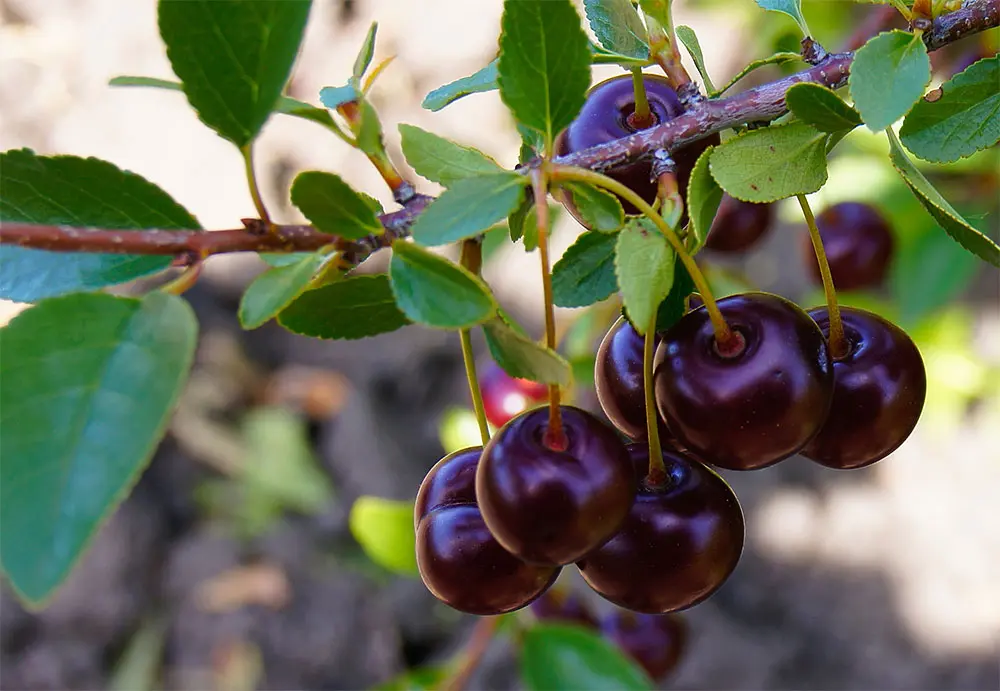
For those interested in cooking cherries, Morello is an excellent option. This acid cherry variety is renowned for its hardiness, making it particularly suited to northern climates where sweet cherries may struggle. Morello produces dark red to black fruits with a tart, rich flavour, ideal for preserves, pies, and sauces. Its self-fertile nature ensures a good crop without the need for a pollination partner, and it thrives in partial shade, unlike many sweet cherries that demand full sun. This adaptability makes Morello a versatile choice for north-facing walls or shadier garden corners.
Morello is often grafted onto dwarfing rootstocks, keeping its height at around 1.6–2 metres, which simplifies netting against birds—a critical consideration given cherries’ appeal to wildlife. The tree’s attractive spring blossoming and vibrant autumn foliage add ornamental value to its practical benefits. Morello is less susceptible to bacterial canker than some sweet varieties, though gardeners should monitor for blackfly and treat infestations with soapy water or insecticide if necessary. Its ability to produce heavy crops in cooler conditions makes Morello a reliable choice for northern gardeners looking for fruit trees for sale with culinary potential.
3. Sunburst Cherry
Sunburst is another self-fertile sweet cherry that excels in northern climates. This variety, also developed in Canada, yields large, dark red to black fruits with a sweet, juicy taste, ripening in mid to late July. Sunburst is particularly valued for its heavy cropping and resistance to fruit cracking, which is advantageous in the UK’s often wet summer weather. When grafted onto Gisela 5 rootstock, Sunburst remains compact, typically reaching 1.8–2.2 metres, making it suitable for small gardens, patios, or fruit cages.
The tree’s moderate vigour and spreading habit allow for easy maintenance, and its cold hardiness ensures reliable performance in northern regions. Sunburst benefits from a sunny position to enhance fruit sweetness, though it can tolerate brief periods of cooler weather. Regular pruning in late summer helps maintain its shape and encourages consistent fruiting. For gardeners seeking a balance of flavour, productivity, and ease of care, Sunburst is a strong contender among fruit trees for sale in the UK.
4. Lapins Cherry
Lapins, also known as Cherokee, is a self-fertile sweet cherry variety that performs well in northern climates. Originating from Canada, Lapins produces large, dark red fruits with a sweet, firm flesh, ripening in late July to early August. Its self-fertility and high yield make it a practical choice for gardeners with limited space or those planting a single tree. Lapins is typically grafted onto dwarfing rootstocks, resulting in a tree height of 1.8–2.5 metres, ideal for container growing or small gardens.
This variety is notably resistant to disease and fruit cracking, which enhances its suitability for the UK’s variable climate. Lapins requires a sunny location to achieve optimal fruit quality, and regular watering is essential during establishment, particularly for potted trees. Pruning should be minimal, focusing on removing damaged branches in late summer to prevent disease. Lapins’ combination of hardiness, productivity, and excellent fruit quality makes it a popular choice for northern gardeners browsing fruit trees for sale.
5. Summer Sun Cherry
Summer Sun is a lesser-known but highly effective sweet cherry variety for northern climates. This self-fertile cultivar produces dark red fruits with a sweet, juicy flavour, ripening in mid to late July. Its compact growth, especially when grafted onto Gisela 5, keeps the tree at around 1.6–2 metres, making it ideal for small spaces or fruit cages. Summer Sun is particularly valued for its cold hardiness and ability to produce consistent crops in cooler, wetter conditions, which are common in northern UK regions.
The tree’s upright growth habit simplifies pruning, which should be done in late summer to maintain shape and health. Summer Sun’s fruits are less prone to cracking, and the tree shows good resistance to common cherry diseases. Planting in a sunny, sheltered spot maximises fruit quality, and netting is recommended to protect the crop from birds. For gardeners seeking a reliable, low-maintenance cherry tree, Summer Sun is an excellent option among fruit trees for sale, offering both aesthetic and practical benefits.
Practical Considerations for Growing Cherries in Northern Climates
Growing cherries in northern climates requires careful attention to site selection, soil preparation, and pest management. Cherry trees prefer well-drained, fertile soil with a pH of 6.0–7.0. Before planting, incorporate organic matter such as compost to improve soil structure and fertility. Bare-root trees, available from late autumn to early spring, are often the most cost-effective option and establish well when planted during dormancy. Potted trees, available year-round, offer flexibility for gardeners who miss the bare-root season.
Sunlight is critical for sweet cherries, which produce the sweetest fruit in full sun. Acid cherries like Morello are more tolerant of partial shade, making them suitable for less-than-ideal sites. Protection from birds is a significant concern, as cherries are a favourite target. Fruit cages or netting are effective solutions, particularly for dwarf trees, which are easier to cover. Dwarfing rootstocks like Gisela 5 not only keep trees manageable but also promote earlier fruiting, often within one to two years of planting.
Pest and disease management is another key consideration. Cherry blackfly can affect new growth, causing leaves to curl. Light infestations can be managed with soapy water, while more severe cases may require an insecticide like Provado. Bacterial canker, which causes gum leakage from the bark, is more prevalent in wet conditions. Cutting out infected wood and ensuring good air circulation through pruning can help control this disease. Regular monitoring and early intervention are essential to maintaining healthy trees.
Choosing the Right Rootstock
The choice of rootstock significantly impacts a cherry tree’s size, productivity, and suitability for northern climates. Gisela 5 is the preferred dwarfing rootstock for garden cultivation, producing trees that are 1.6–2.5 metres tall and well-suited to containers or small spaces. This rootstock promotes early fruiting and is compatible with most recommended varieties, including Stella, Sunburst, Lapins, Summer Sun, and Morello. Colt, a semi-vigorous rootstock, is better suited to larger gardens or orchards, producing trees up to 3–4 metres tall. For northern gardeners, Gisela 5 is generally the best choice due to its compact size and ease of management.
When purchasing cherry trees, selecting stock from reputable nurseries ensures quality and disease-free plants. Nurseries offering fruit trees for sale often provide detailed information on rootstocks and variety characteristics, helping gardeners make informed decisions. Checking for E.M.L.A. virus-tested certification, as offered by some specialist suppliers, guarantees healthy, high-performing trees.
Long-Term Care and Maintenance
Once established, cherry trees require consistent care to ensure long-term productivity. Annual pruning in late summer, after fruiting, helps maintain tree shape and prevents disease by improving air circulation. Remove dead, damaged, or crossing branches, and avoid heavy pruning, which can stimulate excessive vegetative growth at the expense of fruit. Fertilising in early spring with a balanced fertiliser supports healthy growth, while mulching around the base retains moisture and suppresses weeds.
Watering is particularly important for container-grown trees, which can dry out quickly in summer. Ensure pots have drainage holes and use a loam-based compost like John Innes No. 2 for optimal results. During winter, reduce watering but protect container trees from strong winds to prevent toppling. For trees planted in the ground, a sheltered site reduces wind damage and supports healthy development.
Conclusion
Cherry trees can thrive in northern climates when the right varieties and practices are chosen. Stella, Morello, Sunburst, Lapins, and Summer Sun are among the best options for UK gardeners, offering a combination of cold hardiness, self-fertility, and excellent fruit quality. By selecting dwarfing rootstocks like Gisela 5 and providing proper care, including protection from birds and pests, gardeners can enjoy bountiful harvests even in cooler regions. Whether planting in a small garden, container, or fruit cage, these varieties provide practical and rewarding options for those exploring fruit trees for sale. With careful planning and maintenance, cherry trees can be a delightful and productive addition to any northern garden, delivering both culinary and ornamental benefits for years to come.