Adventure Travel Activities for Thrill Seekers
Adventure travel offers more than sightseeing. It challenges the body, sharpens awareness, and creates lasting memories through direct engagement with nature and unfamiliar environments. For thrill seekers, the appeal lies in stepping outside routine comfort zones and experiencing movement, speed, altitude, water, and terrain in powerful ways.
Across mountains, oceans, forests, and deserts, adventure activities provide opportunities to test endurance while discovering remote landscapes that standard travel rarely reveals.
Why Adventure Travel Appeals to Thrill Seekers
People drawn to adventure travel often seek experiences that combine physical effort with emotional excitement. These activities encourage confidence, resilience, and adaptability.
Key reasons travelers choose adventure activities include
- Experiencing natural environments more closely
- Developing new physical skills
- Breaking routine travel patterns
- Building confidence through controlled risk
- Creating memorable personal achievements
Adventure travel also supports mental clarity by shifting attention away from everyday distractions.
Skydiving for the Ultimate Adrenaline Experience
Skydiving remains one of the most intense adventure activities available to travelers. Jumping from an aircraft at high altitude produces a rare sense of freedom combined with heightened awareness.
Participants typically begin with tandem jumps guided by certified instructors. This allows beginners to experience freefall safely while learning the basics of body positioning and parachute deployment.
Popular skydiving locations often feature coastal views, desert landscapes, or mountain scenery that adds visual depth to the experience.
White Water Rafting Through Powerful River Rapids
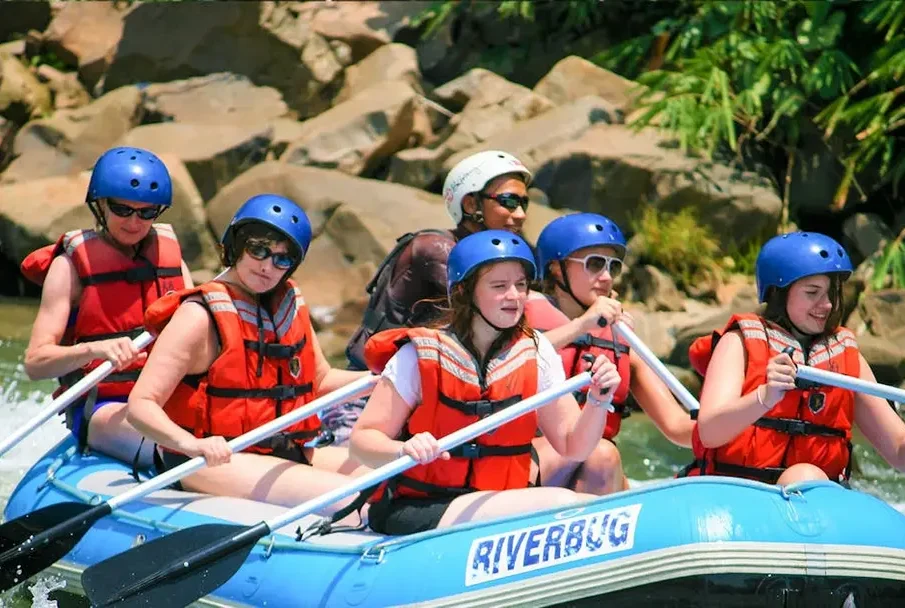
White water rafting combines teamwork, coordination, and fast moving water conditions. Rapids are classified by difficulty level, allowing both beginners and experienced travelers to participate safely.
This activity strengthens communication skills because successful navigation depends on synchronized paddling guided by a trained river leader.
Rafting destinations often pass through remote valleys and forest corridors that are otherwise difficult to access.
Mountain Trekking for High Altitude Exploration
Mountain trekking combines endurance with scenic immersion. Unlike short hikes, trekking routes extend across multiple days and involve varied terrain such as forests, ridges, and alpine passes.
Trekkers often gain exposure to changing weather conditions and shifting ecosystems as elevation increases.
Common benefits include
- Improved physical stamina
- Greater environmental awareness
- Exposure to remote cultures
- Stronger navigation skills
High altitude trekking also encourages careful pacing and preparation, making it both physically demanding and rewarding.
Scuba Diving Beneath Ocean Surfaces
Scuba diving introduces travelers to underwater ecosystems rarely visible from the surface. Coral reefs, marine species, and underwater rock formations create environments that feel entirely different from land based exploration.
Training courses teach breathing control, equipment handling, and underwater safety procedures before open water dives begin.
Clear tropical waters and protected marine reserves are often preferred locations for first time divers.
Rock Climbing on Natural Cliff Faces
Rock climbing demands concentration, balance, and strength. Climbers rely on technique rather than speed to ascend vertical surfaces safely.
Beginners usually start on guided climbing routes with secured ropes and safety anchors. Over time, climbers develop confidence in grip control and movement planning.
Climbing areas often feature dramatic landscapes that enhance the sense of achievement at the summit.
Desert Safari Adventures Across Expansive Terrain
Desert safaris provide a combination of speed, culture, and landscape exploration. Activities typically include dune driving, camel riding, sandboarding, and overnight camping under open skies.
Travelers gain insight into desert ecosystems and traditional lifestyles adapted to extreme climates.
The quiet atmosphere of desert regions creates a contrast with fast paced adventure activities elsewhere.
Preparing Safely for Adventure Travel Activities
Preparation plays a major role in ensuring positive experiences during high intensity travel activities.
Important preparation steps include
- Selecting certified operators with trained guides
- Checking weather conditions before departure
- Wearing appropriate safety equipment
- Maintaining physical readiness for chosen activities
- Understanding emergency procedures
Planning ahead allows travelers to focus on the experience rather than unexpected risks.
Choosing the Right Adventure Activity for Your Experience Level
Not every activity suits every traveler. Matching skill level with activity intensity improves both safety and enjoyment.
Beginners may prefer
- Guided rafting routes
- Introductory scuba programs
- Short altitude treks
Experienced travelers may explore
- Technical climbing routes
- extended mountain expeditions
- advanced diving environments
Gradual progression helps build long term confidence in adventure travel.
Frequently Asked Questions
1. What is the best season for planning adventure travel activities
The best season depends on location and activity type. Mountain trekking is usually safer in dry months, while rafting conditions improve during controlled river flow seasons.
2. Do adventure travel activities require prior training
Some activities such as scuba diving and rock climbing require basic instruction before participation. Others like guided rafting can be done with minimal experience.
3. How physically fit should someone be for adventure travel
Moderate fitness is generally sufficient for beginner level activities. More demanding expeditions require endurance preparation in advance.
4. Are adventure travel packages suitable for solo travelers
Yes. Many operators design group based adventure tours that allow solo travelers to join safely.
5. What type of insurance is recommended for adventure travel
Travelers should choose insurance policies that specifically cover high activity outdoor sports and emergency evacuation support.
6. How can travelers reduce environmental impact during adventure trips
Choosing responsible operators, avoiding litter, and respecting wildlife habitats helps protect natural destinations.
7. Is adventure travel safe for older travelers
Age is less important than physical readiness and medical clearance. Many activities can be adjusted to match comfort levels.